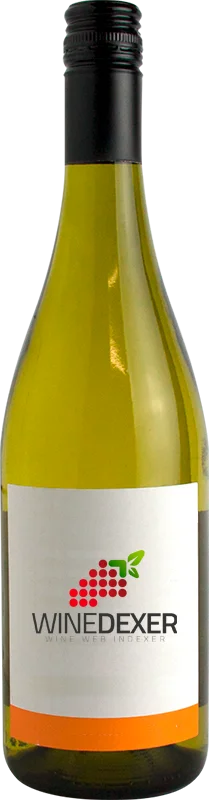
Winery LocharburnCentral Otago Blanc
 White wine


This wine generally goes well with
Wine flavors and olphactive analysis

Details and technical informations about Winery Locharburn's Central Otago Blanc.
Discover the grape variety: Galotta
Intraspecific cross between ancellotta and gamay à jus blanc obtained in 1981 at the Agroscope Research Station in Pully (Switzerland).
Last vintages of this wine
The best vintages of Central Otago Blanc from Winery Locharburn are 0
Informations about the Winery Locharburn
The Winery Locharburn is one of of the world's greatest estates. It offers 6 wines for sale in the of Central Otago to come and discover on site or to buy online.

The wine region of Central Otago
The wine region of Central Otago is located in the region of South Island of New Zealand. Wineries and vineyards like the Domaine Amisfield or the Domaine Felton Road produce mainly wines red and white. The most planted grape varieties in the region of Central Otago are Pinot noir et Pinot gris, they are then used in wines in blends or as a single variety. On the nose of Central Otago often reveals types of flavors of cherry, perfume or pomegranate and sometimes also flavors of savory, sage or cedar.
The wine region of South Island
Central Otago, near the bottom of New Zealand's South Island, vies for the title of world's most southerly wine region. Vineyards cling to the sides of mountains and high above river gorges in this dramatic landscape. Pinot Noir has proven itself in this challenging Terroir, and takes up nearly three-quarters of the region's vineyard area. The typical Central Otago Pinot Noir is intense and deeply colored, with flavors of doris plum, Sweet spice and bramble.
The word of the wine: Rosé de saignée
A method of making rosé wine that consists of partially draining a vat of red wine after a few hours of maceration. The longer the maceration, the stronger the colour. This practice gives rich and expressive rosés.