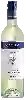
Winery LindauerSauvignon Blanc Brut
 Sparkling wine


This wine generally goes well with vegetarian, rich fish (salmon, tuna etc) or shellfish.

Wine flavors and olphactive analysis


On the nose the Sauvignon Blanc Brut of Winery Lindauer in the region of North Island often reveals types of flavors of vegetal, tree fruit or citrus fruit.
Food and wine pairings with Sauvignon Blanc Brut
Pairings that work perfectly with Sauvignon Blanc Brut



Original food and wine pairings with Sauvignon Blanc Brut
The Sauvignon Blanc Brut of Winery Lindauer matches generally quite well with dishes of rich fish (salmon, tuna etc), shellfish or vegetarian such as recipes of croque-monsieur with tuna, bouillabaisse like in marseille or zucchini quiche.
Details and technical informations about Winery Lindauer's Sauvignon Blanc Brut.
Discover the grape variety: Faberrebe
Aromatic, fine whites with a pale golden robe, an airy palate with preserved acidity, and signature muscat, white flower (acacia, elderflower), white fruit (apple, pear) aromas with delicate floral notes. Also vinified as off-dry styles. Grown in the Rhine and Franconia regions for dry and off-dry aromatic whites. German white grape obtained in 1929 by Georg Scheu in Alzey (Weißburgunder × Müller-Thurgau).
Last vintages of this wine

The best vintages of Sauvignon Blanc Brut from Winery Lindauer are 2008, 0, 1981
Informations about the Winery Lindauer
The Winery Lindauer is one of of the world's greatest estates. It offers 20 wines for sale in the of North Island to come and discover on site or to buy online.

The wine region of North Island
New Zealand's North Island, warmer and more varied than the South Island. Bordeaux varieties and Pinot Noir as signatures. Merlot in Hawke's Bay as a supple red with notes of plum, ripe cherry, fresh herbs and a spicy touch, round tannins — blended with Cabernet and peppery Syrah. Fine Pinot Noir in Wairarapa/Martinborough (cherry, undergrowth).
The word of the wine: Pressing Rosé
A method of making rosé wine that consists of pressing the grapes directly after crushing and light skin maceration. The resulting wine is lively, light and pale.