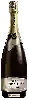
Winery LindauerEnlighten Moscato Rosé
 Sparkling wine



This wine generally goes well with sweet desserts

Food and wine pairings with Enlighten Moscato Rosé
Pairings that work perfectly with Enlighten Moscato Rosé

Original food and wine pairings with Enlighten Moscato Rosé
The Enlighten Moscato Rosé of Winery Lindauer matches generally quite well with dishes of sweet desserts such as recipes of express cherry clafoutis.
Details and technical informations about Winery Lindauer's Enlighten Moscato Rosé.
Discover the grape variety: Putzcheere
Simple dry whites with a pale golden robe, a supple palate with moderate acidity, and understated aromas of citrus and white flowers. Discreet rustic profile. Nearly extinct, preserved for its heritage value in German varietal collections, it belongs to the ancient Central European grape varieties studied for their genetic interest. Rare German white grape, once cultivated in Baden-Württemberg.
Last vintages of this wine
The best vintages of Enlighten Moscato Rosé from Winery Lindauer are 0
Informations about the Winery Lindauer
The Winery Lindauer is one of of the world's greatest estates. It offers 20 wines for sale in the of North Island to come and discover on site or to buy online.

The wine region of North Island
New Zealand's North Island, warmer and more varied than the South Island. Bordeaux varieties and Pinot Noir as signatures. Merlot in Hawke's Bay as a supple red with notes of plum, ripe cherry, fresh herbs and a spicy touch, round tannins — blended with Cabernet and peppery Syrah. Fine Pinot Noir in Wairarapa/Martinborough (cherry, undergrowth).
The word of the wine: Chair
Characteristic of a wine that gives an impression of fullness and density in the mouth, without any roughness.