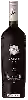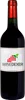
Winery LibertasPinot Noir
 Red wine


In the mouth this red wine is a .
This wine generally goes well with poultry, beef or veal.

Taste structure of the Pinot Noir from the Winery Libertas
Light | Bold | |
Smooth | Tannic | |
Dry | Sweet | |
Soft | Acidic |
In the mouth the Pinot Noir of Winery Libertas in the region of Central Valley is a .
Food and wine pairings with Pinot Noir
Pairings that work perfectly with Pinot Noir



Original food and wine pairings with Pinot Noir

The Pinot Noir of Winery Libertas matches generally quite well with dishes of beef, veal or game (deer, venison) such as recipes of stuffed beef rolls, lisbon veal sauté or rabbit with chorizo.
Details and technical informations about Winery Libertas's Pinot Noir.
Discover the grape variety: Pinot noir
Elegant reds, light in colour with silky tannins, showing strawberry, cherry and raspberry aromas, evolving to forest floor, mushroom and spice with age. Fresh acidity, delicate finish. Star of the Côte d'Or (Romanée-Conti, Chambertin, Volnay), pillar of Champagne (Blanc de Noirs) and signature of Oregon, Central Otago and Sonoma Coast. An early-ripening Burgundian variety, one of the world's greatest.
Last vintages of this wine

The best vintages of Pinot Noir from Winery Libertas are 0, 2015
Informations about the Winery Libertas
The Winery Libertas is one of of the world's great estates. It offers 21 wines for sale in the of Central Valley to come and discover on site or to buy online.

The wine region of Central Valley
Heart of modern Chilean wine: structured, sunny reds, dense, blackcurranty Cabernet Sauvignon from Maipo (Chilean cradle of the grape), signature Carménère with notes of ripe pepper, black fruit and sweet spices from Colchagua, supple Merlot and deep Syrah. Round Chardonnay whites and lively, sharp Sauvignon. Mediterranean climate, 400 km between Andes and Pacific. Star sub-regions: Maipo, Cachapoal, Colchagua, Curicó, Maule.
The word of the wine: Viscosity
Consistency of wine reminiscent of the tactile sensation of sugar syrup with varying degrees of fluidity, due to the alcohol and natural sugar in the grapes present in sweet wines. In excess, this sensation can make the wine pasty and heavy. To the eye, viscosity is referred to as tears.