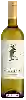
Les Vignerons des CapitellesSauvignon
 White wine
In the mouth this white wine is a .
This wine generally goes well with vegetarian, poultry or lean fish.

Taste structure of the Sauvignon from the Les Vignerons des Capitelles
Light | Bold | |
Dry | Sweet | |
Soft | Acidic |
In the mouth the Sauvignon of Les Vignerons des Capitelles in the region of Pays d'Oc is a .
Food and wine pairings with Sauvignon
Pairings that work perfectly with Sauvignon



Original food and wine pairings with Sauvignon


The Sauvignon of Les Vignerons des Capitelles matches generally quite well with dishes of pasta, vegetarian or poultry such as recipes of pasta à la forestière (chanterelles), quiche without pastry or turkey leg with dijon sauce.
Details and technical informations about Les Vignerons des Capitelles's Sauvignon.
Discover the grape variety: Blauburger
Soft, fruity reds with a deep ruby hue, smooth tannins and a straightforward palate featuring signature aromas of red fruits (cherry, blackberry), gentle spices and fresh floral notes. An early-ripening everyday variety. Grown in Austria (Burgenland, Niederösterreich) and Hungary, used for dry reds and everyday blends. Austrian black grape bred in 1923 at Klosterneuburg by Fritz Zweigelt (Portugieser × Blaufränkisch).
Informations about the Les Vignerons des Capitelles
The Les Vignerons des Capitelles is one of of the world's great estates. It offers 30 wines for sale in the of Pays d'Oc to come and discover on site or to buy online.

The wine region of Pays d'Oc
The single-grape IGP par excellence: modern, accessible, frank and fruity wines, the popular signature of the Midi. Spicy Syrah reds (pepper, blackberry), round Merlot, structured Cabernet, generous Grenache, supple Cinsault. Crisp, tangy rosés. Opulent Chardonnay whites, lively Sauvignon, floral, apricoty Viognier.
The word of the wine: Shoulder
The upper part of the bottle located at the base of the shoulder-shaped neck.