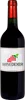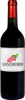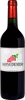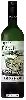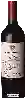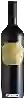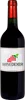
Vignerons de la MéditerranéeTerre d'Octaviana Corbières
 Red wine
This wine generally goes well with beef, veal or pasta.

Food and wine pairings with Terre d'Octaviana Corbières
Pairings that work perfectly with Terre d'Octaviana Corbières



Original food and wine pairings with Terre d'Octaviana Corbières
The Terre d'Octaviana Corbières of Vignerons de la Méditerranée matches generally quite well with dishes of beef, pasta or veal such as recipes of navarin of the sea da gigi, spaghetti carbonara or veal cutlets with cream sauce.
Details and technical informations about Vignerons de la Méditerranée's Terre d'Octaviana Corbières.
Discover the grape variety: Kyoho
Table grape with long clusters and spherical blue-black berries with thick skin and juicy flesh, with a distinctive sweet muscat flavour. Very rarely vinified. Widely grown in Japan, Korea and China for fresh consumption, one of the most popular table grapes in East Asia. Japanese black table grape obtained in 1937, crossing Ishiharawase × Centennial.
Informations about the Vignerons de la Méditerranée
The Vignerons de la Méditerranée is one of wineries to follow in Corbières.. It offers 179 wines for sale in the of Corbières to come and discover on site or to buy online.

The wine region of Corbières
Largest AOC in Languedoc, 95% Mediterranean reds. Signature old-vine Carignan (up to 60%): fleshy reds with black fruit, garrigue, black olive, spice and tight tannins. Blended with round, sunny Grenache, peppery Syrah, dense Mourvèdre and supple Cinsault. A few fresh rosés and whites (Grenache Blanc, Roussanne).
The wine region of Languedoc-Roussillon
Largest single French vineyard, dominated by sunny, generous reds. Spicy Syrah, candied Grenache (ripe fruit, garrigue), structured Carignan, deep Mourvèdre, supple Cinsault. Stars: structured Corbières, Minervois, Faugères, Saint-Chinian; round Côtes-du-Roussillon. Legendary vins doux naturels: Banyuls and Maury (fortified Grenache) with notes of cocoa, fig, prune.
The word of the wine: Passerillage
Concentration of the grape by drying out, under the influence of wind or sun, as opposed to botrytisation, which is the concentration obtained by the development of the "noble rot" for which Botrytis cinerea is responsible. The word is mainly used for sweet wines.