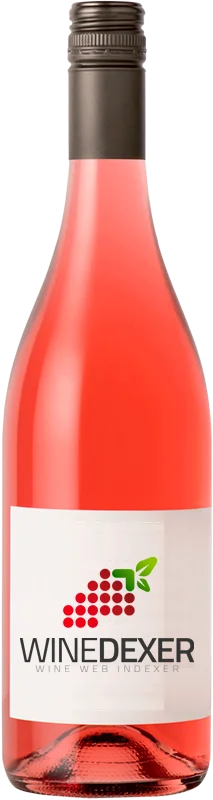
Winery Les Terres FinesRosé de Loire
 Pink wine
This wine generally goes well with

Details and technical informations about Winery Les Terres Fines's Rosé de Loire.
Discover the grape variety: Verdiso
Crisp, taut dry whites with a pale golden colour, a lean, cutting acidity and aromas of lime, green apple, white flowers and pre-Alpine mineral notes. Also made as fresh sparkling wines (Prosecco). Often blended with Glera, it contributes to the identity of Conegliano Valdobbiadene DOCG and Prosecco DOC.
Informations about the Winery Les Terres Fines
The Winery Les Terres Fines is one of of the world's greatest estates. It offers 4 wines for sale in the of Rosé de Loire to come and discover on site or to buy online.

The wine region of Rosé de Loire
Regional rosé AOC of the Loire Valley covering Anjou, Saumur and Touraine. Signature blend of Cabernet Franc, Cabernet Sauvignon, Gamay, Grolleau, Pineau d'Aunis, Pinot Noir. Signature dry rosés (max 3 g/l sugar) with notes of wild strawberry, red cherry, raspberry, redcurrant, citrus, flowers and spices, fresh and round palate, salmon robe — more taut and gastronomic than the sweeter Rosé d'Anjou. Aperitif and summer tables, to drink young and well chilled.
The wine region of Loire Valley
Kingdom of lively, dry whites and fine sparklers. Mineral, taut Sauvignon Blanc (Sancerre, Pouilly-Fumé) with citrus and gunflint notes. Multiform Chenin Blanc (Vouvray, Savennières, Layon): straight dry, floral off-dry or noble sweet honey-quince. Saline, iodised Muscadet (Melon B.
The word of the wine: Crunchy
A very colorful term to designate a sensation similar to the crunchiness of a grape bursting under the tooth in young and lively wines.