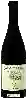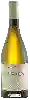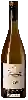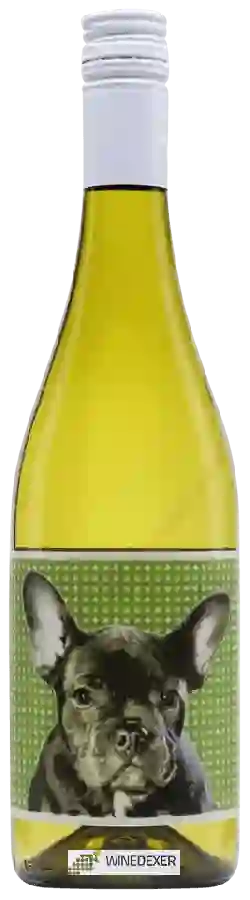
Winery Les Chiens CatalansBlanc
 White wine



In the mouth this white wine is a .
This wine generally goes well with vegetarian, poultry or lean fish.

Taste structure of the Blanc from the Winery Les Chiens Catalans
Light | Bold | |
Dry | Sweet | |
Soft | Acidic |
In the mouth the Blanc of Winery Les Chiens Catalans in the region of Languedoc-Roussillon is a .


Food and wine pairings with Blanc
Pairings that work perfectly with Blanc



Original food and wine pairings with Blanc


The Blanc of Winery Les Chiens Catalans matches generally quite well with dishes of pasta, vegetarian or poultry such as recipes of special' tagliatelle carbonara, tuna, pepper and tomato quiche or butter chicken or chicken makkhani (india).
Details and technical informations about Winery Les Chiens Catalans's Blanc.
Discover the grape variety: Roussanne
Aromatic and elegant whites, rich yet lifted by fine freshness, with hawthorn, honeysuckle, apricot, pear, honey, green tea, mineral and herbal notes. Fine ageing potential. Key variety in the great whites of the northern Rhône (Hermitage, Crozes-Hermitage, Saint-Joseph, Saint-Péray) blended with marsanne, and one of the 13 permitted grapes at Châteauneuf-du-Pape. Native Rhône variety.
Last vintages of this wine
The best vintages of Blanc from Winery Les Chiens Catalans are 2018
Informations about the Winery Les Chiens Catalans
The Winery Les Chiens Catalans is one of of the world's greatest estates. It offers 3 wines for sale in the of Languedoc-Roussillon to come and discover on site or to buy online.

The wine region of Languedoc-Roussillon
Largest single French vineyard, dominated by sunny, generous reds. Spicy Syrah, candied Grenache (ripe fruit, garrigue), structured Carignan, deep Mourvèdre, supple Cinsault. Stars: structured Corbières, Minervois, Faugères, Saint-Chinian; round Côtes-du-Roussillon. Legendary vins doux naturels: Banyuls and Maury (fortified Grenache) with notes of cocoa, fig, prune.
The word of the wine: Mouth
The mouth is the third stage of wine tasting after the eye and nose. In the mouth, the taster identifies the aromas through the retronasal route, the flavours and the texture. It is in the mouth that the overall balance of the wine is apprehended.