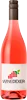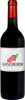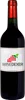
Les Caves du PréContent
 Red wine
This wine generally goes well with beef, veal or pasta.

Food and wine pairings with Content
Pairings that work perfectly with Content



Original food and wine pairings with Content
The Content of Les Caves du Pré matches generally quite well with dishes of beef, pasta or veal such as recipes of baeckeoffe, the corsican soup or country-style veal roulades with risotto.
Details and technical informations about Les Caves du Pré's Content.
Discover the grape variety: Fogoneu
Light, fruity reds with a clear ruby robe, supple tannins and a light palate with moderate acidity, featuring signature aromas of red fruits (cherry, strawberry), Mediterranean herbs and notes of the insular maquis. Airy profile. Traditional component of Pla i Llevant DO blends in Majorca, contributing to the typicity of Balearic island wines. Spanish autochthonous black variety from the Balearic Islands, grown mainly in Majorca.
Informations about the Les Caves du Pré
The Les Caves du Pré is one of wineries to follow in Hérault.. It offers 29 wines for sale in the of Hérault to come and discover on site or to buy online.

The wine region of Hérault
Vast Languedoc IGP between the Cévennes and the Étang de Thau: Syrah, Grenache and Mourvèdre signatures in powerful, fruity reds with black fruit (blackberry, blackcurrant), garrigue, Mediterranean spices and a peppery touch, coated tannins. Cabernet, Merlot, Cinsault and Carignan complement. Grenache Blanc, Macabeu and Terret in accessible whites, plus aromatic Sauvignon, Chardonnay, Viognier. Fresh rosés.
The wine region of Pays d'Oc
The single-grape IGP par excellence: modern, accessible, frank and fruity wines, the popular signature of the Midi. Spicy Syrah reds (pepper, blackberry), round Merlot, structured Cabernet, generous Grenache, supple Cinsault. Crisp, tangy rosés. Opulent Chardonnay whites, lively Sauvignon, floral, apricoty Viognier.
The word of the wine: Sparkling
Equivalent to effervescent, this term is used among others to designate the "natural sparkling wines" produced in the Montlouis appellation.