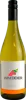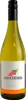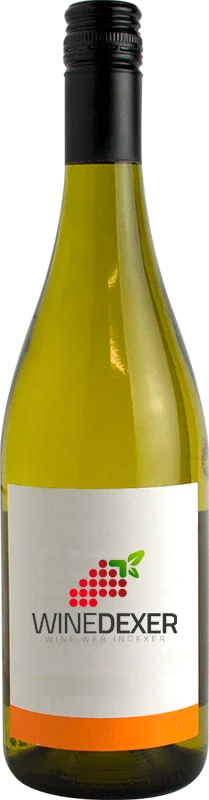
Les Caves de DidonneLes Caves de Didonne Vin de Pays Charentais Sauvignon
 White wine
This wine generally goes well with vegetarian, rich fish (salmon, tuna etc) or shellfish.

Food and wine pairings with Les Caves de Didonne Vin de Pays Charentais Sauvignon
Pairings that work perfectly with Les Caves de Didonne Vin de Pays Charentais Sauvignon



Original food and wine pairings with Les Caves de Didonne Vin de Pays Charentais Sauvignon
The Les Caves de Didonne Vin de Pays Charentais Sauvignon of Les Caves de Didonne matches generally quite well with dishes of rich fish (salmon, tuna etc), shellfish or vegetarian such as recipes of fish stew, lobster tail armorican style or quiche with leeks and fresh salmon from flo.
Details and technical informations about Les Caves de Didonne's Les Caves de Didonne Vin de Pays Charentais Sauvignon.
Discover the grape variety: Khendorni
Structured and aromatic reds, deep purple colour, firm tannins and full mouth with preserved acidity, with signature aromas of red fruits (cherry, raspberry), sweet spices and volcanic terroir notes. Modest ageing profile. Very rare, preserved in the Ararat valley and Vayots Dzor for its heritage value. Armenian autochthonous black grape grown in very small quantities.
Informations about the Les Caves de Didonne
The Les Caves de Didonne is one of of the world's greatest estates. It offers 6 wines for sale in the of Cognac to come and discover on site or to buy online.

The wine region of Cognac
Charente vineyard dedicated to distillation for Cognac eau-de-vie (AOC 1936). Six signature ranked crus: Grande Champagne the most prestigious (elegance and length), fine Petite Champagne, round and floral Borderies, fruity Fins Bois, rustic Bons Bois, ordinary Bois. Spirits with grape, white flowers, dried fruits, vanilla, leather, spice and noble rancio notes — from young VS to long-aged XO. Ugni Blanc king (98%), Folle Blanche, Colombard.
The word of the wine: Rootstock
American vine on which a French vine is grafted. This is the consequence of the phylloxera that destroyed the vineyard at the end of the 19th century: after much trial and error, it was discovered that the "pest" spared the roots of the American vines, and the technique became widespread.