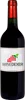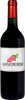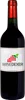
Winery LentschSt. Laurent Reserve
 Red wine



This wine generally goes well with

Details and technical informations about Winery Lentsch's St. Laurent Reserve.
Discover the grape variety: Aramon blanc
Simple, light whites to drink young with a pale golden robe, airy palate with low acidity, showing discrete white flower, white-fleshed fruit and neutral aromas. Productive but lightly colored, thirst-quenching profile. Now marginal, survives in a few conservatory vineyards of Hérault for its heritage value. White mutation of Aramon noir, once omnipresent in Languedoc-Roussillon supplying 19th-century table wines.
Last vintages of this wine
The best vintages of St. Laurent Reserve from Winery Lentsch are 0
Informations about the Winery Lentsch
The Winery Lentsch is one of of the world's great estates. It offers 28 wines for sale in the of Neusiedlersee to come and discover on site or to buy online.

The wine region of Neusiedlersee
Austrian home of Zweigelt on the east shore of Lake Neusiedl (Burgenland): signature DAC red (≥85%, 12° min) — fruity and harmonious with notes of morello cherry, black berries, fine herbs and a spicy touch, supple tannins and an elegant finish. Legendary sweet wines (botrytised Trockenbeerenauslese from the Seewinkel) in exceptional honeyed whites. Hot, dry continental Pannonian climate, varied gravelly and sandy soils. ~7,500 ha, Gols the epicentre, Zweigelt >70% of plantings.
The wine region of Weinland
Vast German-speaking region in north-eastern Switzerland, the country's largest production area. Signature Pinot Noir (Blauburgunder): fine, fresh reds with notes of cherry, raspberry, undergrowth and sweet spices, silky tannins. Elegant, delicate style, often barrel-aged. Also light, floral Müller-Thurgau (Riesling-Sylvaner), lively, lemony native Räuschling, ample Pinot Gris.
The word of the wine: Muscat blanc à petits grains
A white grape variety cultivated since antiquity on the shores of the Mediterranean, it is considered the noblest of the muscats. It is mainly used to make sweet wines, often from mutage. In France, it is the sole variety used in many natural sweet wines: muscat-de-frontignan, muscat-de-mireval, muscat-de-lunel, muscat-de-saint-jean-de-minervois, muscat-de-beaumes-de-venise, muscat-du-cap-corse. Combined with Muscat d'Alexandrie, it gives Muscat-de-Rivesaltes. It is also used to make sparkling white wines (clairette-de-die; moscato d'asti and asti spumante in Italy) and dry wines (alsace-muscat). Powerfully aromatic and complex, its wines evoke fresh grapes, roses, exotic fruits, citrus fruits and spices.