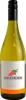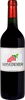
Château le CastellotBergerac
 Red wine


This wine generally goes well with
The Bergerac of the Château le Castellot is in the top 80 of wines of Bergerac.

Details and technical informations about Château le Castellot's Bergerac.
Discover the grape variety: Saint Pépin
Aromatic, fruity whites with a pale golden robe, a supple palate with preserved acidity, featuring aromas of white flowers, white-fleshed fruits (apple, pear) and light muscat notes. Extremely cold-hardy. Grown in the northern United States (Minnesota, Wisconsin) and Canada for rigorous continental viticultural climates. American white hybrid variety obtained in 1987 by Elmer Swenson in Minnesota.
Last vintages of this wine

The best vintages of Bergerac from Château le Castellot are 2011
Informations about the Château le Castellot
The Château le Castellot is one of of the world's greatest estates. It offers 2 wines for sale in the of Bergerac to come and discover on site or to buy online.

The wine region of Bergerac
Affordable cousin of Bordeaux on the Dordogne: signature Merlot-based reds (~65%) — round and fruity with notes of plum, black cherry, blackberry, sweet spices and a tobacco touch, supple tannins, to drink young. Cabernet Sauvignon, Cabernet Franc and Malbec as support. Fresh rosés (~20%). Signature dry and sweet whites (~15%) from Sémillon, Sauvignon and Muscadelle with notes of citrus, boxwood, flowers and honey for the sweet ones.
The wine region of South West
French mosaic of strong identities south of Bordeaux. Cahors and its Malbec ("black wine"): deep reds with notes of blackberry, plum, violet, tobacco and cocoa, firm tannins. Madiran and its dense, age-worthy Tannat. Jurançon whites: golden sweet (apricot, honey, pineapple) and lively dry from Petit Manseng.
The word of the wine: Oenographer
Wine label collector. It is becoming increasingly difficult to obtain the labels of famous vintages, which thus seek to avoid forgeries.