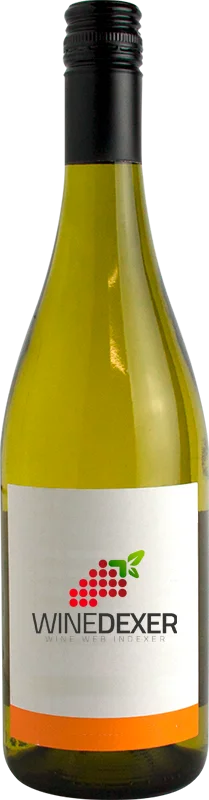
Winery Le CasinePinot Grigio
 White wine



In the mouth this white wine is a .
This wine generally goes well with vegetarian, shellfish or mushrooms.

Taste structure of the Pinot Grigio from the Winery Le Casine
Light | Bold | |
Dry | Sweet | |
Soft | Acidic |
In the mouth the Pinot Grigio of Winery Le Casine in the region of Vino da Tavola is a .
Food and wine pairings with Pinot Grigio
Pairings that work perfectly with Pinot Grigio


Original food and wine pairings with Pinot Grigio

The Pinot Grigio of Winery Le Casine matches generally quite well with dishes of shellfish, vegetarian or mushrooms such as recipes of fish paella, salmon and goat cheese quiche or capon stuffed with foie gras.
Details and technical informations about Winery Le Casine's Pinot Grigio.
Discover the grape variety: Ruché
Aromatic and elegant medium-keeping reds with a deep ruby hue, fine tannins and an ample palate with fresh acidity, featuring intensely signature aromas of rose, violet, red fruits (cherry, raspberry) and gentle spices. A distinctly Piedmontese floral profile. Star of the Ruché di Castagnole Monferrato DOCG appellation, producing refined and identity-rich reds. Autochthonous black variety from Piedmont, grown almost exclusively around Castagnole Monferrato.
Last vintages of this wine
The best vintages of Pinot Grigio from Winery Le Casine are 2019, 0
Informations about the Winery Le Casine
The Winery Le Casine is one of of the world's greatest estates. It offers 5 wines for sale in the of Vino da Tavola to come and discover on site or to buy online.

The wine region of Vino da Tavola
The freest category of Italian wine, with no grape or zone constraint. All styles: bold reds based on Bordeaux grapes (Cabernet, Merlot), atypical blends, maker's cuvées outside DOC rules. Historic cradle of the "Super Tuscans" in the 1960s-80s (Sassicaia, Tignanello, Ornellaia) before the creation of IGT in 1992. Today dedicated to everyday wines or winemaker experiments.
The word of the wine: Reassembly
During the vinification process, a "cap" is formed at the top of the vats with the solid parts (skin, pulp, pips, etc.), which contain tannins and colouring elements. Pumping over consists of emptying the vat from the bottom and pouring the juice back to the top, in order to mix the cap and the juice and to favour the exchange and the extraction. This old technique allows a better exchange between the solid parts and the liquid.