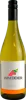
Winery Le CaciaieBianco
 White wine
In the mouth this white wine is a with a nice freshness.
This wine generally goes well with vegetarian, appetizers and snacks or lean fish.

Taste structure of the Bianco from the Winery Le Caciaie
Light | Bold | |
Dry | Sweet | |
Soft | Acidic |
In the mouth the Bianco of Winery Le Caciaie in the region of Tuscany is a with a nice freshness.
Food and wine pairings with Bianco
Pairings that work perfectly with Bianco



Original food and wine pairings with Bianco


The Bianco of Winery Le Caciaie matches generally quite well with dishes of pasta, vegetarian or appetizers and snacks such as recipes of pasta gratin carbonara style, leek, goat cheese and bacon quiche or baked vegetable chips.
Details and technical informations about Winery Le Caciaie's Bianco.
Discover the grape variety: Melon
Crisp, dry whites with a pale robe, lean palate and lively acidity, showing delicate aromas of lemon, green apple, white flowers, pear, fresh almond and characteristic saline, iodine notes. Refreshing, ideal with Atlantic seafood. Star of Muscadet AOC (Sèvre-et-Maine, Côtes de Grandlieu, Coteaux de la Loire), aged on lees for added body. Native Burgundian variety (synonym Melon de Bourgogne), offspring of Pinot × Gouais blanc.
Informations about the Winery Le Caciaie
The Winery Le Caciaie is one of of the world's greatest estates. It offers 4 wines for sale in the of Tuscany to come and discover on site or to buy online.

The wine region of Tuscany
Kingdom of Sangiovese: upright reds with cherry, plum, dried herbs and leather, lively acidity and firm tannins. Fleshy, food-friendly Chianti Classico DOCG, deep long-ageing Brunello di Montalcino (spice, tobacco, ripe black fruit), elegant Vino Nobile di Montepulciano. On the coast, Bolgheri crafts the opulent Cabernet- and Merlot-based 'Super Tuscans'. Some fresh white Vernaccia.
The word of the wine: Second fermentation
In the making of champagne, fermentation of the base wine to which is added the liqueur de tirage and which takes place in the bottle. This second fermentation produces the carbon dioxide, and therefore the bubbles that make up the effervescence of the wine.