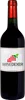
Winery Le BanneretL’Alexandre
 Red wine


This wine generally goes well with poultry, beef or lamb.

Food and wine pairings with L’Alexandre
Pairings that work perfectly with L’Alexandre



Original food and wine pairings with L’Alexandre

The L’Alexandre of Winery Le Banneret matches generally quite well with dishes of beef, lamb or spicy food such as recipes of quick beef bourguignon, lamb tagine with broad beans or moroccan chicken tagine.
Details and technical informations about Winery Le Banneret's L’Alexandre.
Discover the grape variety: Cabernet-Sauvignon
Structured, tannic reds, deeply coloured, with aromas of blackcurrant, blackberry, cedar, tobacco and graphite, underpinned by firm acidity and fine ageing potential. Cornerstone of the great Médoc estates (Pauillac, Saint-Estèphe, Saint-Julien) and signature of Napa Valley, Coonawarra and Maipo. The world's most planted red variety, a natural cross of Cabernet Franc x Sauvignon Blanc born in Bordeaux.
Last vintages of this wine
The best vintages of L’Alexandre from Winery Le Banneret are 0
Informations about the Winery Le Banneret
The Winery Le Banneret is one of of the world's greatest estates. It offers 19 wines for sale in the of Chamoson to come and discover on site or to buy online.

The wine region of Chamoson
Largest wine-producing commune in Swiss Valais, ~400 ha between 450 and 750 m on sun-drenched Alpine foothills (~2,500 h/yr). Signature Petite Arvine reigns in white on Haut-de-Cry: aromatic and saline with signature notes of grapefruit, rhubarb, white flowers, wisteria and a finely salted mineral touch, taut, lingering palate — the queen of Valais. Chasselas (Fendant) terroir-driven. Fine Pinot Noir, supple Gamay, ample Johannisberg (Sylvaner).
The wine region of Valais
Switzerland's largest vineyard, capital of native grapes. Straight, precise alpine whites: light, floral Chasselas (Fendant), signature Petite Arvine with saline, grapefruit and rhubarb notes, rich, apricoty Amigne, mineral Humagne Blanche. Altitude reds: fine Pinot Noir, crisp Gamay, native Cornalin and Humagne Rouge, spicy and deep. Highly precise alpine age-worthy wines.
The word of the wine: Noble rot
A fungus called botrytis cinerea that develops during the over-ripening phase, an ally of great sweet white wines, when it concentrates the juice of the berries. It requires the humidity of morning fogs and beautiful sunny days, gives musts very rich in sugar and brings to the wines the famous taste of "roasted".