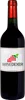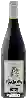
Château de LavernetteBeaujolais Leynes
 Red wine
In the mouth this red wine is a with a nice freshness.
This wine generally goes well with pork, poultry or veal.

Taste structure of the Beaujolais Leynes from the Château de Lavernette
Light | Bold | |
Smooth | Tannic | |
Dry | Sweet | |
Soft | Acidic |
In the mouth the Beaujolais Leynes of Château de Lavernette in the region of Beaujolais is a with a nice freshness.
Food and wine pairings with Beaujolais Leynes
Pairings that work perfectly with Beaujolais Leynes



Original food and wine pairings with Beaujolais Leynes

The Beaujolais Leynes of Château de Lavernette matches generally quite well with dishes of pasta, veal or pork such as recipes of spaghetti with salmon, veal tagine with potatoes and olives or pan-fried black pudding with apples.
Details and technical informations about Château de Lavernette's Beaujolais Leynes.
Discover the grape variety: Gamay noir
Light, juicy reds, low in tannins with crunchy freshness, showing aromas of wild strawberry, raspberry, banana (from carbonic maceration) and peony. Easy-drinking style of Beaujolais Nouveau, more structured and mineral on the granites of the ten crus (Morgon, Moulin-à-Vent, Fleurie, Brouilly). Also in Touraine, Auvergne and Swiss Romande. A Burgundian variety, a cross of Pinot Noir × Gouais Blanc.
Informations about the Château de Lavernette
The Château de Lavernette is one of of the world's great estates. It offers 16 wines for sale in the of Beaujolais to come and discover on site or to buy online.

The wine region of Beaujolais
Kingdom of Gamay (98% of the vineyard): fruity, accessible reds with signature notes of cherry, raspberry, banana (carbonic maceration), violet and sweet spices, supple tannins and juicy acidity. From festive Beaujolais Nouveau (3rd Thursday of November) to the 10 more structured, age-worthy Crus: deep earthy Morgon, sturdy Moulin-à-Vent, floral Fleurie, crunchy Brouilly. Some lively Chardonnay. 12,000 ha south of Burgundy, granitic soils.
The word of the wine: Ugni blanc
White grape variety of Italian origin, and the main white variety grown in France. Its large bunches give fine, light and lively wines, suitable for distillation: today it is the main variety for making cognac and armagnac. Ugni blanc, which is a little richer in alcohol when grown in Mediterranean regions, is used in the blending of the Provence and Corsica appellations, often in association with other grape varieties that bring aromas and structure, such as clairette, grenache blanc or sauvignon. Ugni blanc is also used, on a secondary basis, in the production of certain white wines in Gironde (AOC Bordeaux, Entre-deux-Mers, etc.).