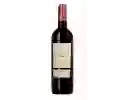
Winery Labastide de LevisHominia Braucol
 Red wine


This wine generally goes well with
Details and technical informations about Winery Labastide de Levis's Hominia Braucol.
Discover the grape variety: Taraboussié
An ancient grape variety most likely originating from the Aveyron region, now in danger of extinction. Published genetic analyses have revealed that it is related to one or more grape varieties, including Mouyssaguès. For more details, click here! - Synonymy: tarabassié (for all the synonyms of the grape varieties, click here!).
Last vintages of this wine
The best vintages of Hominia Braucol from Winery Labastide de Levis are 2018
Informations about the Winery Labastide de Levis
The Winery Labastide de Levis is one of of the world's great estates. It offers 131 wines for sale in the of South West to come and discover on site or to buy online.

The wine region of South West
The South-West is a large territorial area of France, comprising the administrative regions of Aquitaine, Limousin and Midi-Pyrénées. However, as far as the French wine area is concerned, the South-West region is a little less clear-cut, as it excludes Bordeaux - a wine region so productive that it is de facto an area in its own right. The wines of the South West have a Long and eventful history. The local rivers play a key role, as they were the main trade routes to bring wines from traditional regions such as Cahors, Bergerac, Buzet and Gaillac to their markets.
The word of the wine: Peduncle
The stem of a flower or fruit.