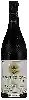
La Source Du ClosSortilege Reserve
 Red wine


This wine generally goes well with

Details and technical informations about La Source Du Clos's Sortilege Reserve.
Discover the grape variety: Clairette Rose
Lively, aromatic rosés and clarets with a pale salmon robe, an airy palate, and signature aromas of white flowers (hawthorn), citrus (grapefruit), light red fruits (strawberry, redcurrant) and Mediterranean notes. Occasionally contributing to traditional Provençal and Languedoc rosé blends, it is cultivated in small quantities in Provence and Languedoc-Roussillon. A pink-skinned mutation of Clairette, a historic southern French variety.
Last vintages of this wine
The best vintages of Sortilege Reserve from La Source Du Clos are 2012
Informations about the La Source Du Clos
The La Source Du Clos is one of of the world's greatest estates. It offers 2 wines for sale in the of Rhone Valley to come and discover on site or to buy online.

The wine region of Rhone Valley
France's 2nd-largest AOC vineyard, two complementary worlds. Northern: pure Syrah in signature reds (Côte-Rôtie, Hermitage, Cornas), deep and peppery with blackberry, violet, black olive and smoked bacon notes, exceptional ageing. Opulent Viognier whites (Condrieu, apricot, flowers) and ample Marsanne-Roussanne. Southern: sun-soaked Grenache blends at Châteauneuf, Gigondas, Vacqueyras (candied fruit, garrigue).
The word of the wine: Astringent
Said of a wine that is a bit harsh and rough on the palate. Astringency often appears in young red wines that are rich in tannins and need to be rounded out.