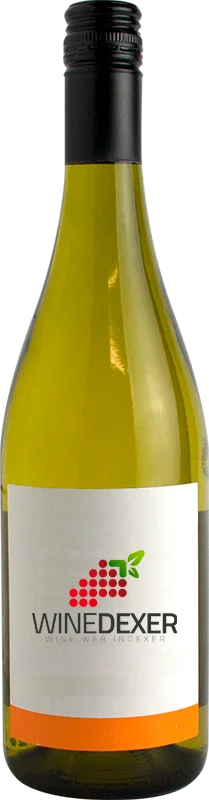
Winery La Rose des CarmesBordeaux Blanc
 White wine


In the mouth this white wine is a powerful.
This wine generally goes well with pork, vegetarian or poultry.

Taste structure of the Bordeaux Blanc from the Winery La Rose des Carmes
Light | Bold | |
Dry | Sweet | |
Soft | Acidic |
In the mouth the Bordeaux Blanc of Winery La Rose des Carmes in the region of Bordeaux is a powerful.
Food and wine pairings with Bordeaux Blanc
Pairings that work perfectly with Bordeaux Blanc



Original food and wine pairings with Bordeaux Blanc


The Bordeaux Blanc of Winery La Rose des Carmes matches generally quite well with dishes of pork, vegetarian or poultry such as recipes of spaghetti carbonara, mushroom, bacon and gruyere quiche or turkey cutlets with feta and cherry tomatoes.
Details and technical informations about Winery La Rose des Carmes's Bordeaux Blanc.
Discover the grape variety: Riesling Italico
Lively, aromatic whites for early drinking, with a pale golden hue, light palate and fresh aromas of citrus (lemon), white flowers, white-fleshed fruits (green apple) and herbal notes. Also produced as sparkling (Spumante) and botrytised sweet wines. A pillar of dry Italian whites from Friuli, Veneto and Lombardy. The Italian synonym for Welschriesling, a Central European white grape with no genetic link to German Riesling.
Last vintages of this wine
The best vintages of Bordeaux Blanc from Winery La Rose des Carmes are 2017, 0
Informations about the Winery La Rose des Carmes
The Winery La Rose des Carmes is one of of the world's greatest estates. It offers 5 wines for sale in the of Bordeaux to come and discover on site or to buy online.

The wine region of Bordeaux
World-renowned age-worthy reds, led by round Merlot (plum, black fruit) or firm Cabernet Sauvignon (blackcurrant, cedar, graphite), blended with Cabernet Franc and Petit Verdot for tannic structure. Structured Médoc and Graves, velvety Saint-Émilion and Pomerol. Also crisp dry whites (Sauvignon/Sémillon) and opulent sweet Sauternes with honey and candied fruit. A 110,000 ha Gironde vineyard, 65 appellations, cradle of the 1855 classified growths.
The word of the wine: MA
Auxiliary brand or buyer's brand (supermarket for example) gathering champagnes of various origins. It offers no guarantee of quality or traceability.