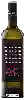
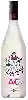
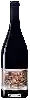
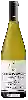
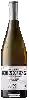
Winery La RodettaMalabestia Blanco
 White wine
In the mouth this white wine is a powerful.
This wine generally goes well with appetizers and snacks, lean fish or shellfish.

Taste structure of the Malabestia Blanco from the Winery La Rodetta
Light | Bold | |
Dry | Sweet | |
Soft | Acidic |
In the mouth the Malabestia Blanco of Winery La Rodetta in the region of Rioja is a powerful.
Food and wine pairings with Malabestia Blanco
Pairings that work perfectly with Malabestia Blanco



Original food and wine pairings with Malabestia Blanco

The Malabestia Blanco of Winery La Rodetta matches generally quite well with dishes of shellfish, appetizers and snacks or lean fish such as recipes of lobster barbecue, happy new year bites or cod fillets with lemon sauce.
Details and technical informations about Winery La Rodetta's Malabestia Blanco.
Discover the grape variety: Klingelberger
Aromatic and mineral whites of great ageing potential, with a pale golden colour, a taut palate with vibrant acidity and signature aromas of citrus (lemon, grapefruit), green apple, flint, white flowers and petrol notes at maturity. Also as botrytised Spätlese, Auslese and Eiswein. Produces great whites in German Baden, a typical expression of Durbach and Schloss Staufenberg. Synonym of Riesling used in Germany (Baden, Durbach).
Informations about the Winery La Rodetta
The Winery La Rodetta is one of of the world's greatest estates. It offers 8 wines for sale in the of Rioja to come and discover on site or to buy online.

The wine region of Rioja
Star of great Spanish reds: signature Tempranillo, elegant and complex, with notes of ripe cherry, plum, leather, vanilla and tobacco from American oak ageing. Classification by age: fruity Joven, balanced Crianza, ample Reserva, deep, silky Gran Reserva (5 years, 2 in barrel). Some fresh Viura whites and generous rosés. Spain's first DOCa (1991), 3 sub-zones (Alta, Alavesa, Oriental), 93.
The word of the wine: Bacchus
Roman god of the vine and wine, often evoked to qualify everything that concerns the world of wine, and in particular its consumption. His name gave the adjective "bachique" which suggests the idea of celebration and conviviality.