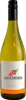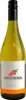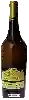
La Maison du VigneronChâteau-Chalon Vin Jaune
 Sweet wine
This wine generally goes well with poultry, mature and hard cheese or mushrooms.

Food and wine pairings with Château-Chalon Vin Jaune
Pairings that work perfectly with Château-Chalon Vin Jaune


Original food and wine pairings with Château-Chalon Vin Jaune

The Château-Chalon Vin Jaune of La Maison du Vigneron matches generally quite well with dishes of spicy food, mature and hard cheese or poultry such as recipes of daube niçoise, fusillis natalias or filet mignon in a quick crust.
Details and technical informations about La Maison du Vigneron's Château-Chalon Vin Jaune.
Discover the grape variety: Cornalin d'Aoste
Deep, structured reds with a dark, intense ruby color, firm tannins and a dense palate, offering intense aromas of black fruits (blackberry, blackcurrant), black cherry, spices, pepper, alpine and balsamic notes. Fine cellaring potential; mountain wines from altitude. Star of Valle d'Aosta DOC, grown on sun-drenched terraces between Aymavilles and Chambave. Italian indigenous variety of the Aosta Valley, distinct from Valais cornalin (rouge du pays).
Last vintages of this wine


The best vintages of Château-Chalon Vin Jaune from La Maison du Vigneron are 0
Informations about the La Maison du Vigneron
The La Maison du Vigneron is one of of the world's greatest estates. It offers 15 wines for sale in the of Jura to come and discover on site or to buy online.

The wine region of Jura
Unique Franche-Comté region between Burgundy and Switzerland, incomparable oxidative identity. Signature mythical Vin Jaune from Savagnin: aged 6 years 3 months in cask under flor, intense whites with signature green walnut, curry, cumin, russet apple, honey and lingering iodine — 62 cl clavelin, century-long ageing. Also classic topped-up Chardonnay (citrus, butter), pale light Poulsard red (strawberry, undergrowth), dense Trousseau, fine Pinot Noir. Sweet Vin de Paille.
The word of the wine: Muscat blanc à petits grains
A white grape variety cultivated since antiquity on the shores of the Mediterranean, it is considered the noblest of the muscats. It is mainly used to make sweet wines, often from mutage. In France, it is the sole variety used in many natural sweet wines: muscat-de-frontignan, muscat-de-mireval, muscat-de-lunel, muscat-de-saint-jean-de-minervois, muscat-de-beaumes-de-venise, muscat-du-cap-corse. Combined with Muscat d'Alexandrie, it gives Muscat-de-Rivesaltes. It is also used to make sparkling white wines (clairette-de-die; moscato d'asti and asti spumante in Italy) and dry wines (alsace-muscat). Powerfully aromatic and complex, its wines evoke fresh grapes, roses, exotic fruits, citrus fruits and spices.