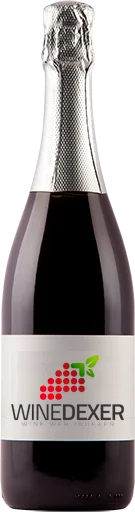
Winery FunckenhausenLa Espera Extra Brut
 Sparkling wine



This wine is a blend of 2 varietals which are the Chardonnay and the Viognier.
This wine generally goes well with pork, vegetarian or poultry.

Food and wine pairings with La Espera Extra Brut
Pairings that work perfectly with La Espera Extra Brut



Original food and wine pairings with La Espera Extra Brut



The La Espera Extra Brut of Winery Funckenhausen matches generally quite well with dishes of pork, game (deer, venison) or rich fish (salmon, tuna etc) such as recipes of alsatian sauerkraut, rabbit terrine in the style of a grandmother (pas de calais) or chinchards with white wine and grapes.
Details and technical informations about Winery Funckenhausen's La Espera Extra Brut.
Discover the grape variety: Chardonnay
Whites with many faces: mineral and taut at Chablis (lemon, green apple, flint), opulent and buttery at Meursault and Puligny-Montrachet (hazelnut, brioche, yellow fruits), tense and chalky in Champagne (Blanc de Blancs). Also vinified sparkling and widely exported (Sonoma, Margaret River, Casablanca). A Burgundian variety, a cross of Pinot Noir × Gouais Blanc, half-sibling of Aligoté.
Last vintages of this wine
The best vintages of La Espera Extra Brut from Winery Funckenhausen are 2014, 0
Informations about the Winery Funckenhausen
The Winery Funckenhausen is one of of the world's great estates. It offers 31 wines for sale in the of San Rafael to come and discover on site or to buy online.

The wine region of San Rafael
Argentine region south of Mendoza, altitude vineyards (400-800 m) between Andes and Pampa, 2nd Argentine DOC. Malbec signature red: deep and expressive with signature notes of blackberry, black plum, violet, sweet spices and ink touch, round tannins and sunny mouth — typical fleshy Mendoza style. Firm Cabernet Sauvignon (blackcurrant, eucalyptus), supple fruity Bonarda, fresh Chenin and ample Chardonnay in whites. Dry climate with strong thermal amplitudes, Andes-irrigated.
The wine region of Mendoza
World capital of Malbec: powerful, deep reds with blackberry, plum, violet and sweet spice, round tannins and vivid fruit. Also firm Cabernet Sauvignon, supple, juicy Bonarda, aromatic floral white Torrontés. High-altitude vineyards (800-1,700 m) at the foot of the Andes, dry continental climate irrigated by glacial waters. ~80% of Argentine output across 150,000 ha.
The word of the wine: Côte des Bar
This is the name given to the vineyards of the Aube, which are closer to Burgundy, and some of the wines produced here bear witness to this proximity. The pinot noir dominates, the meunier is practically absent. Two crus have become references: Riceys, where a rosé without bubbles is also produced, and Montgueux near Troyes, renowned for its Chardonnay.