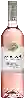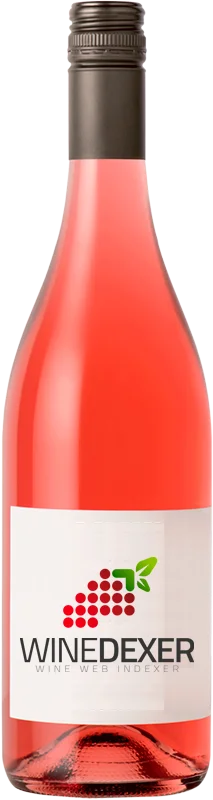
Winery La CroisadeSyrah Rosé
 Pink wine


This wine generally goes well with beef, lamb or mature and hard cheese.
Wine flavors and olphactive analysis

Food and wine pairings with Syrah Rosé
Pairings that work perfectly with Syrah Rosé



Original food and wine pairings with Syrah Rosé

The Syrah Rosé of Winery La Croisade matches generally quite well with dishes of beef, lamb or spicy food such as recipes of veal shank with mushrooms, lamb shoulder confit or imene's tunisian ojja.
Details and technical informations about Winery La Croisade's Syrah Rosé.
Discover the grape variety: Xinomavro
A very old grape variety grown in Greece and very well known in Central Macedonia. It is most certainly a descendant of white gouais and should not be confused with mavrud or mavroudi. It should be noted that many grape varieties have the synonym mavro. Xinomavro is registered in the Official Catalogue of wine grape varieties, list A1.
Last vintages of this wine

The best vintages of Syrah Rosé from Winery La Croisade are 2014, 2012, 2013
Informations about the Winery La Croisade
The Winery La Croisade is one of of the world's great estates. It offers 42 wines for sale in the of Pays d'Oc to come and discover on site or to buy online.

The wine region of Pays d'Oc
Pays d'Oc is the PGI for red, white and rosé wines that are produced over a wide area of the southern coast of France. The PGI catchment area corresponds roughly to the Languedoc-roussillon">Languedoc-Roussillon wine region, one of the largest wine regions in France. The area covers all wines that are not produced under the strict laws that govern AOC-level appellations in the regions: among them, Corbières, Minervois and the Languedoc appellation itself. The Pays d'Oc PGI is arguably the most important in France, producing the majority of the country's PGI wines.
The word of the wine: Roussette
See highness.