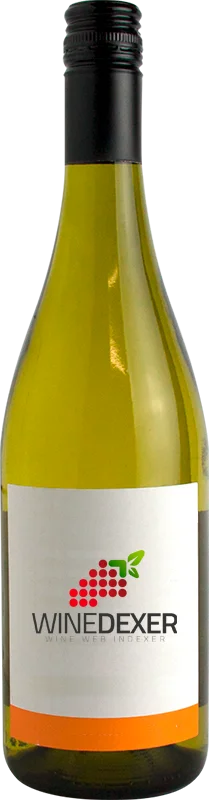
Winery La ChiusaMoscato dell'Elba Passito
 Sweet wine
This wine generally goes well with sweet desserts

Food and wine pairings with Moscato dell'Elba Passito
Pairings that work perfectly with Moscato dell'Elba Passito

Original food and wine pairings with Moscato dell'Elba Passito
The Moscato dell'Elba Passito of Winery La Chiusa matches generally quite well with dishes of sweet desserts such as recipes of apple cake.
Details and technical informations about Winery La Chiusa's Moscato dell'Elba Passito.
Discover the grape variety: Furmint
Taut, structured whites with cutting acidity and a mineral mouth, featuring aromas of apple, quince, citrus, honey, smoke and chalk notes. Made as ambitious dry wines (Tokaji száraz, Somló), off-dry and especially sumptuous botrytised sweet wines: Tokaji Aszú (legendary, classified by puttonyos) and Tokaji Eszencia. Highly susceptible to noble rot. The absolute star of Tokaj in Hungary, also in Slovakia, Slovenia (Šipon) and Austria. Native Hungarian grape.
Informations about the Winery La Chiusa
The Winery La Chiusa is one of of the world's great estates. It offers 15 wines for sale in the of Elba to come and discover on site or to buy online.

The wine region of Elba
DOC on the volcanic island of Elba (Tuscany, Tyrrhenian Sea), ~350 ha, sun-drenched poor soils. Signature Ansonica as white king (Mediterranean native): delicate with white flowers, stone fruits, almond, apricot and saline iodine touch — dry or as golden passito. Sangiovese (min. 60%) in silky red (ripe red fruits, licorice, fine tannins).
The wine region of Tuscany
Kingdom of Sangiovese: upright reds with cherry, plum, dried herbs and leather, lively acidity and firm tannins. Fleshy, food-friendly Chianti Classico DOCG, deep long-ageing Brunello di Montalcino (spice, tobacco, ripe black fruit), elegant Vino Nobile di Montepulciano. On the coast, Bolgheri crafts the opulent Cabernet- and Merlot-based 'Super Tuscans'. Some fresh white Vernaccia.
The word of the wine: Bordeaux barrel
Barrels of 220 to 225 litres. The toasting of the barrel to bend the staves (curved boards used to make the barrels) can vary according to the coopers and the demand. A gentle and slow toasting has little effect on the aromas. On the other hand, a strong toasting gives aromas of coffee or cocoa which will influence the taste of the wine. A wine barrel has already been aged for a year and has less impact on the wine than a new barrel.