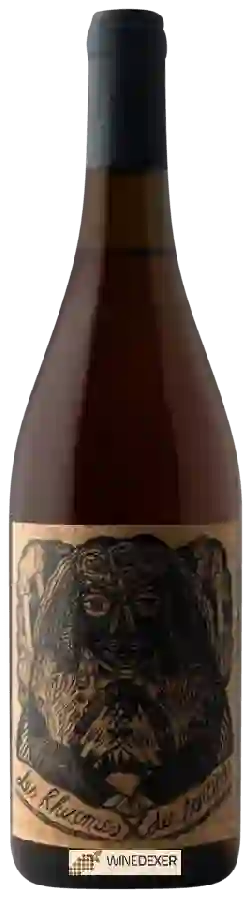
La Cave des NomadesLes Rhizomes des Sorcières
 White wine


In the mouth this white wine is a .
This wine generally goes well with vegetarian, poultry or lean fish.

Taste structure of the Les Rhizomes des Sorcières from the La Cave des Nomades
Light | Bold | |
Dry | Sweet | |
Soft | Acidic |
In the mouth the Les Rhizomes des Sorcières of La Cave des Nomades in the region of Languedoc-Roussillon is a .
Wine flavors and olphactive analysis

On the nose the Les Rhizomes des Sorcières of La Cave des Nomades in the region of Languedoc-Roussillon often reveals types of flavors of microbio, tree fruit.
Food and wine pairings with Les Rhizomes des Sorcières
Pairings that work perfectly with Les Rhizomes des Sorcières



Original food and wine pairings with Les Rhizomes des Sorcières


The Les Rhizomes des Sorcières of La Cave des Nomades matches generally quite well with dishes of pasta, vegetarian or poultry such as recipes of pasta à la forestière (chanterelles), summer tuna quiche or bami.
Details and technical informations about La Cave des Nomades's Les Rhizomes des Sorcières.
Discover the grape variety: Samsó
Structured, intensely coloured reds with a deep ruby colour, firm tannins and dense, alcoholic palate, showing signature aromas of red and black fruits (cherry, blackberry), liquorice, spices, Mediterranean garrigue and balsamic notes. Good ageing potential. A component of the great modern Catalan reds from DO Empordà, Penedès, Priorat and Montsant. Catalan synonym for carignan (sometimes cinsault depending on the region), a historic Mediterranean black variety.
Last vintages of this wine
The best vintages of Les Rhizomes des Sorcières from La Cave des Nomades are 2015
Informations about the La Cave des Nomades
The La Cave des Nomades is one of of the world's greatest estates. It offers 19 wines for sale in the of Languedoc-Roussillon to come and discover on site or to buy online.

The wine region of Languedoc-Roussillon
Largest single French vineyard, dominated by sunny, generous reds. Spicy Syrah, candied Grenache (ripe fruit, garrigue), structured Carignan, deep Mourvèdre, supple Cinsault. Stars: structured Corbières, Minervois, Faugères, Saint-Chinian; round Côtes-du-Roussillon. Legendary vins doux naturels: Banyuls and Maury (fortified Grenache) with notes of cocoa, fig, prune.
The word of the wine: Blanc de blancs (champagne)
Champagne made only from the Chardonnay grape. The expression has been somewhat overused by the intensive use made of it by certain large distributors of white table wines (or sparkling wines) who were thus seeking to promote their product.





