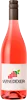
La Cave de Saint AntoineDiVinu
 Pink wine


This wine generally goes well with
Details and technical informations about La Cave de Saint Antoine's DiVinu.
Discover the grape variety: Oeillade noire
Probably originating in the Languedoc, oeillade Noire is known by other names such as olhada, aragnan noir, ulhat, hulliade or croque. This variety should not be confused with Cinsault, which is highly productive, producing up to 5kg per vine, and is particularly noted for its drooping habit and vigour. The black eye is a late bloomer. Oidium, mildew and grey rot are its main enemies. It requires a rather short pruning, coulure and millerandage could harm its development and the grapes it would bear. It prefers a good exposure and reaches maturity around the second half of August. Its bunches are of medium size and its fruits have a great resemblance to those of the Cinsault. They have been eaten fresh at the table for a long time. The wine produced from this variety is quite alcoholic and has a colour similar to that of a cherry. The variety is no longer multiplied and seems to be on the way out.
Last vintages of this wine
The best vintages of DiVinu from La Cave de Saint Antoine are 2018
Informations about the La Cave de Saint Antoine
The La Cave de Saint Antoine is one of of the world's greatest estates. It offers 30 wines for sale in the of Ile de Beaute to come and discover on site or to buy online.

The wine region of Ile de Beaute
Ile de Beauté is the evocative PGI title given to wines that come from Corsica. The island is located in the Mediterranean Sea between the southeast coast of Provence and the west coast of Tuscany. Although the island is closer to Italy, it has been under French rule since 1764 and is one of the 27 regions of France. Corsica's Italian heritage is reflected in the island's wines, which are made primarily from Sangiovese (known here as Nielluccio) and Vermentino.
The word of the wine: Tressallier
White grape variety from the Allier region, identical to the Sacy variety grown in Burgundy. Rarely vinified on its own, it is used in the blending of Saint-Pourçain white wines, associated with chardonnay, the main grape variety of the appellation. Syn.: sacy.