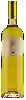
Winery La CappuccinaArzimo
 Sweet wine


This wine generally goes well with

Wine flavors and olphactive analysis




On the nose the Arzimo of Winery La Cappuccina in the region of Veneto often reveals types of flavors of non oak, earth or microbio and sometimes also flavors of oak, tree fruit or citrus fruit.
Details and technical informations about Winery La Cappuccina's Arzimo.
Discover the grape variety: Garganega
Structured, aromatic whites with a round palate and fresh acidity, with aromas of fresh almond, white flowers, yellow apple, pear, citrus and volcanic mineral notes. Typical bitter almond finish. Made as noble dry whites (Soave Classico DOC, Soave Superiore DOCG) and sumptuous passito dessert wines (Recioto di Soave DOCG). Also in Gambellara DOC. Native Venetian variety from the volcanic hills south-east of Verona.
Last vintages of this wine

The best vintages of Arzimo from Winery La Cappuccina are 2015, 2013, 0, 2010 and 2012.
Informations about the Winery La Cappuccina
The Winery La Cappuccina is one of of the world's greatest estates. It offers 30 wines for sale in the of Recioto di Soave to come and discover on site or to buy online.

The wine region of Recioto di Soave
Veneto DOCG passito from the volcanic and limestone hills of Soave (Verona), trained on pergola veronese. Garganega (≥70%) with Trebbiano di Soave (≤30%). Deep golden robe, intense candied fruits, dried apricot, honey and white blossoms; velvety palate, high acidity balancing generous sweetness. Grapes hand-selected and dried in loose bunches.
The wine region of Veneto
World star of Prosecco: fresh, light Glera sparklers with notes of pear, green apple and white flowers, fruity, convivial bubbles. Veronese reds from Corvina and Rondinella: light, crisp Bardolino, fruity Valpolicella, opulent, concentrated Amarone DOCG (black cherry, chocolate, raisin) from dried grapes. Mineral, almondy Soave (Garganega) whites, fresh Pinot Grigio. 97,500 ha, Italy's largest production.
The word of the wine: Sulphur
An antiseptic and antioxidant substance known since antiquity, probably already used by the Romans. But it was only in modern times that its use was rediscovered. It will allow a better conservation of the wine and thus favour its export. Sulphur also gave the 18th century winegrower the possibility of extending the maceration period without fearing that the wine would turn sour and thus go from dark rosé wines to the red wines of today. Excessive sulphur, on the other hand, kills happiness, paralysing the aromas and causing headaches.