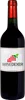
Winery L. MetairieDomaine Piedelbello Cabernet Sauvignon
 Red wine
This wine generally goes well with beef, veal or pasta.

Food and wine pairings with Domaine Piedelbello Cabernet Sauvignon
Pairings that work perfectly with Domaine Piedelbello Cabernet Sauvignon



Original food and wine pairings with Domaine Piedelbello Cabernet Sauvignon
The Domaine Piedelbello Cabernet Sauvignon of Winery L. Metairie matches generally quite well with dishes of veal, game (deer, venison) or rich fish (salmon, tuna etc) such as recipes of orloff roast, potjevleesch (meat in a pot) or cannelloni with salmon and spinach.
Details and technical informations about Winery L. Metairie's Domaine Piedelbello Cabernet Sauvignon.
Discover the grape variety: Cabernet-Sauvignon
Structured, tannic reds, deeply coloured, with aromas of blackcurrant, blackberry, cedar, tobacco and graphite, underpinned by firm acidity and fine ageing potential. Cornerstone of the great Médoc estates (Pauillac, Saint-Estèphe, Saint-Julien) and signature of Napa Valley, Coonawarra and Maipo. The world's most planted red variety, a natural cross of Cabernet Franc x Sauvignon Blanc born in Bordeaux.
Informations about the Winery L. Metairie
The Winery L. Metairie is one of wineries to follow in Ile de Beaute.. It offers 286 wines for sale in the of Ile de Beaute to come and discover on site or to buy online.

The wine region of Ile de Beaute
IGP covering all Corsica, complement to the 9 AOCs. Three noble natives as signatures. Powerful Niellucciu red (Sangiovese's brother) with signature notes of black cherry, blackberry, garrigue, leather and a spicy touch, firm tannins. Finer spicier Sciaccarellu (strawberry, pepper, maquis).
The word of the wine: Decanter
1) Glass container with a narrow neck used to aerate or decant the wine. 2) Decanter wines: wines that are drunk young and that were once drawn directly from the barrel. For example, some Muscadets or Beaujolais.