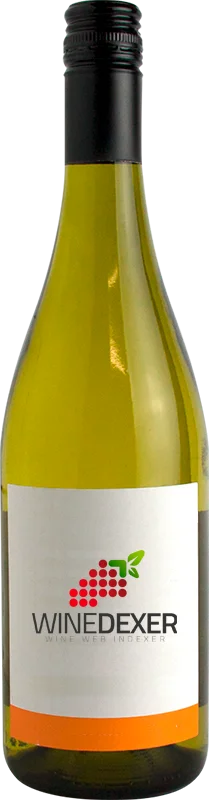
Winery Krebs-GrodeGuntersblumer Sauvignon Blanc Trocken
 White wine
In the mouth this white wine is a with a nice freshness.
This wine generally goes well with vegetarian, shellfish or goat cheese.

Taste structure of the Guntersblumer Sauvignon Blanc Trocken from the Winery Krebs-Grode
Light | Bold | |
Dry | Sweet | |
Soft | Acidic |
In the mouth the Guntersblumer Sauvignon Blanc Trocken of Winery Krebs-Grode in the region of Rheinhessen is a with a nice freshness.
Food and wine pairings with Guntersblumer Sauvignon Blanc Trocken
Pairings that work perfectly with Guntersblumer Sauvignon Blanc Trocken



Original food and wine pairings with Guntersblumer Sauvignon Blanc Trocken
The Guntersblumer Sauvignon Blanc Trocken of Winery Krebs-Grode matches generally quite well with dishes of shellfish, vegetarian or goat cheese such as recipes of shrimp risotto with curry, vegan leek and tofu quiche or cannelloni with goat cheese and chicken eggplant.
Details and technical informations about Winery Krebs-Grode's Guntersblumer Sauvignon Blanc Trocken.
Discover the grape variety: Pinot Noir Précoce
Fine, silky, elegant reds with a clear ruby colour, soft tannins and an airy palate with fresh acidity, signature aromas of red fruits (cherry, raspberry, wild strawberry), undergrowth and fine spices. Earlier ripening than classic Pinot Noir. Grown mainly in Germany (Franconia, Württemberg, Ahr) as Frühburgunder and in tiny quantities in France. Early-ripening mutation of Pinot Noir, also called Frühburgunder in Germany.
Informations about the Winery Krebs-Grode
The Winery Krebs-Grode is one of of the world's great estates. It offers 66 wines for sale in the of Rheinhessen to come and discover on site or to buy online.

The wine region of Rheinhessen
71% white region: Riesling is king (5,000 ha), dry to off-dry, ripe yellow fruit, apple, citrus and fine saline minerality. Supple, floral Müller-Thurgau for everyday, the world's largest Silvaner plantation with herbaceous, straight notes. Historic cradle of off-sweet Liebfraumilch. Some supple reds (Dornfelder, Spätburgunder).
The word of the wine: Maceration
Prolonged contact and exchange between the juice and the grape solids, especially the skin. Not to be confused with the time of fermentation, which follows maceration. The juice becomes loaded with colouring matter and tannins, and acquires aromas. For a rosé, the maceration is short so that the colour does not "rise" too much. For white wines too, a "pellicular maceration" can be practised, which allows the wine to acquire more fat.