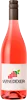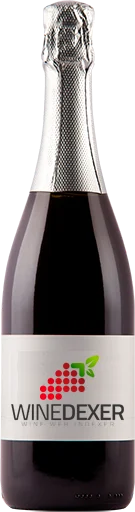
Winery Kramer VineyardsCelebrate Müller-Thurgau
 Sparkling wine


This wine generally goes well with

Details and technical informations about Winery Kramer Vineyards's Celebrate Müller-Thurgau.
Discover the grape variety: Müller-Thurgau
Light, aromatic whites with a tender palate and moderate acidity, with muscat-like aromas of white flowers, apple, citrus, peach and honeyed notes. Made as easy dry whites, popular semi-dry wines and some sparkling cuvées. Widely planted in Germany (Rheinhessen, Baden), northern Italy (Alto Adige, Trentino), Austria, Switzerland, Hungary and Japan. Cross of riesling × madeleine royale created in 1882 by Hermann Müller in Geisenheim.
Last vintages of this wine
The best vintages of Celebrate Müller-Thurgau from Winery Kramer Vineyards are 0
Informations about the Winery Kramer Vineyards
The Winery Kramer Vineyards is one of of the world's greatest estates. It offers 34 wines for sale in the of Yamhill-Carlton District to come and discover on site or to buy online.

The wine region of Yamhill-Carlton District
Premium AVA of the Willamette Valley (Oregon) southwest of Portland: Pinot Noir reigns in red (~70%) — deep ruby robe with signature notes of blackberry, raspberry, clove, tobacco, coffee and a floral spice touch, silky and broad tannins, fleshy textured profile from a warmer mesoclimate. Pinot Gris and Chardonnay as racy complements. AVA (2005), oldest marine sedimentary loam-sandy soils of the valley, slopes 60-300 m south-facing.
The wine region of Oregon
American benchmark for fresh, elegant Pinot Noir. Fine, silky reds with signature notes of red cherry, raspberry, wild strawberry, undergrowth and spice, delicate tannins and taut freshness — the closest style to Burgundy outside France. Iconic Willamette Valley on volcanic (Jory) and marine soils. Also precise, mineral Chardonnay, ample Pinot Gris (pear, honey), taut Riesling.
The word of the wine: Phenolic ripeness
A distinction is made between the ripeness of sugars and acids and the ripeness of tannins and other compounds such as anthocyanins and tannins, which will bring structure and colour. Grapes can be measured at 13° potential without having reached this phenolic maturity. Vinified at this stage, they will give hard, astringent wines, without charm.