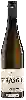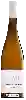
Winery Krämer StraîghtCool Climate Grauburgunder
 White wine
In the mouth this white wine is a .
This wine generally goes well with pork, cured meat or mushrooms.

Taste structure of the Cool Climate Grauburgunder from the Winery Krämer Straîght
Light | Bold | |
Dry | Sweet | |
Soft | Acidic |
In the mouth the Cool Climate Grauburgunder of Winery Krämer Straîght in the region of Rheinhessen is a .
Food and wine pairings with Cool Climate Grauburgunder
Pairings that work perfectly with Cool Climate Grauburgunder



Original food and wine pairings with Cool Climate Grauburgunder

The Cool Climate Grauburgunder of Winery Krämer Straîght matches generally quite well with dishes of pork, spicy food or mushrooms such as recipes of very simple spaghetti carbonara, mediterranean lamb necklace or pasta with ham.
Details and technical informations about Winery Krämer Straîght's Cool Climate Grauburgunder.
Discover the grape variety: Reichensteiner
Aromatic, lively dry whites with a pale golden hue, supple palate and preserved acidity, with delicate notes of light muscat, white flowers (acacia), citrus, apple and florals. Refreshing, drink young. Early-ripening variety suited to northern climates: grown in Germany (Rheinhessen, Mosel), the UK, New Zealand and Japan. German hybrid created in 1939 at Geisenheim (müller-thurgau × madeleine angevine × calabreser fröhlich).
Informations about the Winery Krämer Straîght
The Winery Krämer Straîght is one of of the world's great estates. It offers 21 wines for sale in the of Rheinhessen to come and discover on site or to buy online.

The wine region of Rheinhessen
71% white region: Riesling is king (5,000 ha), dry to off-dry, ripe yellow fruit, apple, citrus and fine saline minerality. Supple, floral Müller-Thurgau for everyday, the world's largest Silvaner plantation with herbaceous, straight notes. Historic cradle of off-sweet Liebfraumilch. Some supple reds (Dornfelder, Spätburgunder).
The word of the wine: Claret
Name given by the English to the red wine of Bordeaux.