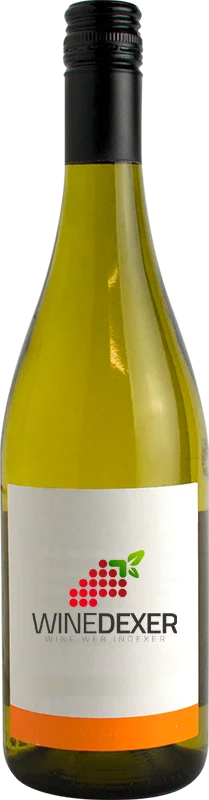
Winery Konrad & sonia ZimmerannChlamberger Aragau Riesling-Silvaner
 White wine
This wine generally goes well with pork, vegetarian or poultry.
Food and wine pairings with Chlamberger Aragau Riesling-Silvaner
Pairings that work perfectly with Chlamberger Aragau Riesling-Silvaner



Original food and wine pairings with Chlamberger Aragau Riesling-Silvaner



The Chlamberger Aragau Riesling-Silvaner of Winery Konrad & sonia Zimmerann matches generally quite well with dishes of pork, rich fish (salmon, tuna etc) or shellfish such as recipes of kale soup, cod brandade without potatoes or barbecued lobster.
Details and technical informations about Winery Konrad & sonia Zimmerann's Chlamberger Aragau Riesling-Silvaner.
Discover the grape variety: Riesling
White Riesling is a grape variety that originated in France (Alsace). It produces a variety of grape specially used for the elaboration of wine. It is rare to find this grape to eat on our tables. This variety of grape is characterized by small bunches, and small grapes. White Riesling can be found in many vineyards: Alsace, Loire Valley, Languedoc & Roussillon, Lorraine, Provence & Corsica, Rhone Valley, Savoie & Bugey, Beaujolais, South West.
Informations about the Winery Konrad & sonia Zimmerann
The Winery Konrad & sonia Zimmerann is one of of the world's greatest estates. It offers 3 wines for sale in the of Aargau to come and discover on site or to buy online.

The wine region of Aargau
Aargau is a canton and wine appellation in the Center of Northern Switzerland, located immediately west of Zurich and Southeast of Basel. Its northern border traces the Rhine river, which separates it from the southern German region of Baden; this close connection is evident in the Germanic style of many Aargau wines. To confuse matters slightly, the canton's main concentration of Vineyards centers around a town named Baden at its eastern edge. Aargau produces mostly red wines, in keeping with the trends of other cantons in the German-speaking north of Switzerland.
The word of the wine: Bâtonnage
A very old technique that has come back into fashion in modern oenology, which consists of shaking the white wine in the barrels at the end of fermentation, or after fermentation, with a stick or a flail, in order to suspend the fine lees composed of yeasts at the end of their activity. This process is sometimes used for red wines.