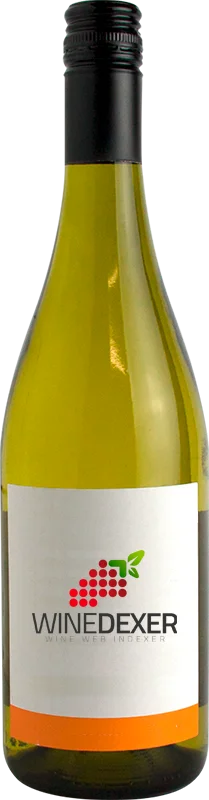
Winery KochSelection Frisch Cserszegi Fűszeres
 White wine



This wine generally goes well with
The Selection Frisch Cserszegi Fűszeres of the Winery Koch is in the top 30 of wines of Hajós-Baja.



Details and technical informations about Winery Koch's Selection Frisch Cserszegi Fűszeres.
Discover the grape variety: Malvasia Fina
Structured, aromatic dry whites with a pale golden robe, an ample palate and moderate acidity, showing signature aromas of yellow fruits (pear, peach, apricot), white flowers (acacia), almond and schist mineral notes. Fine ageing potential. A traditional component of Douro DOC and Dão DOC whites and white Port. A Portuguese variety of the Malvasia family, widely grown in north-eastern Portugal.
Last vintages of this wine
The best vintages of Selection Frisch Cserszegi Fűszeres from Winery Koch are 0
Informations about the Winery Koch
The Winery Koch is one of of the world's great estates. It offers 46 wines for sale in the of Hajós-Baja to come and discover on site or to buy online.

The wine region of Hajós-Baja
Southern Hungarian region (Telecska hills near the Danube), fine loess soils slightly clayey with ideal carbonate content, 18th-century German tradition. Signature Kekfrankos as red king: spiced and structured with black cherry, blackberry, plum, pepper, paprika and smoked touch, firm tannins and freshness — "land of wine and fish". Supple Kadarka and firm Cabernet Franc as complements. Taut Riesling, ample Chardonnay and aromatic Cserszegi Fuzeres in whites.
The wine region of Duna
Hungary's largest wine region (= Alföld) between the Danube and Tisza, favourable continental climate on sandy and loess soils. Kékfrankos is the signature king red with cherry, raspberry, spice and a peppery touch, supple tannins and lively acidity. Kadarka and Zweigelt as full-bodied fruity reds. Olaszrizling (Welschriesling), aromatic Cserszegi Fűszeres, Kövidinka and Riesling as fresh whites with citrus, white flowers and a honeyed hint.
The word of the wine: Chartreuse
In the Bordeaux region, small castle from the 18th or early 19th century.