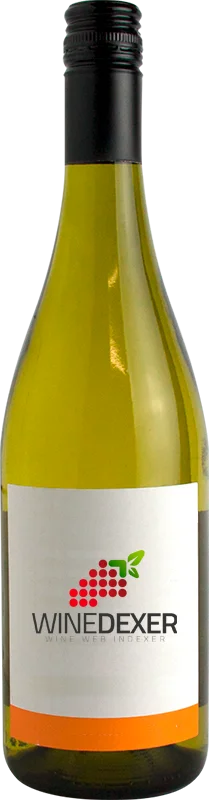
Winery Sziegl PinceHerreberg Kövidinka
 White wine


This wine generally goes well with
The Herreberg Kövidinka of the Winery Sziegl Pince is in the top 20 of wines of Hajós-Baja.

Details and technical informations about Winery Sziegl Pince's Herreberg Kövidinka.
Discover the grape variety: Tressailler
Light, lively whites to drink young with a pale golden robe, an airy palate with preserved acidity, and discreet aromas of citrus (lemon), white flowers and fresh herbal notes. Also used in sparkling base wines. A component of Saint-Pourçain AOC in Auvergne and participant in Crémant de Bourgogne. Also called Sacy, this indigenous French white from the Allier and Bourbonnais defines northern Burgundy.
Last vintages of this wine
The best vintages of Herreberg Kövidinka from Winery Sziegl Pince are 0
Informations about the Winery Sziegl Pince
The Winery Sziegl Pince is one of of the world's greatest estates. It offers 21 wines for sale in the of Hajós-Baja to come and discover on site or to buy online.

The wine region of Hajós-Baja
Southern Hungarian region (Telecska hills near the Danube), fine loess soils slightly clayey with ideal carbonate content, 18th-century German tradition. Signature Kekfrankos as red king: spiced and structured with black cherry, blackberry, plum, pepper, paprika and smoked touch, firm tannins and freshness — "land of wine and fish". Supple Kadarka and firm Cabernet Franc as complements. Taut Riesling, ample Chardonnay and aromatic Cserszegi Fuzeres in whites.
The wine region of Duna
Hungary's largest wine region (= Alföld) between the Danube and Tisza, favourable continental climate on sandy and loess soils. Kékfrankos is the signature king red with cherry, raspberry, spice and a peppery touch, supple tannins and lively acidity. Kadarka and Zweigelt as full-bodied fruity reds. Olaszrizling (Welschriesling), aromatic Cserszegi Fűszeres, Kövidinka and Riesling as fresh whites with citrus, white flowers and a honeyed hint.
The word of the wine: Erinosis
Generally benign condition caused by a very small mite. The infested leaves show blisters on the upper surface, sometimes reddish, sometimes green, to which corresponds on the lower surface a dense felting, first pinkish white, then brownish or reddish.