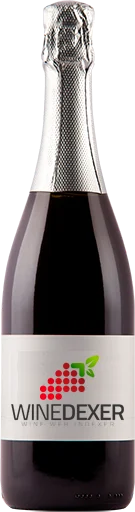
Winery KochChardonnay Brut
 Sparkling wine



This wine generally goes well with
The Chardonnay Brut of the Winery Koch is in the top 20 of wines of Hajós-Baja.
Details and technical informations about Winery Koch's Chardonnay Brut.
Discover the grape variety: Loin de l'oeil
This variety is most certainly from the Tarn region, more precisely from Gaillac, and is registered in the Official Catalogue of wine grape varieties, list A1. It is not found in any other French wine-growing region and is virtually unknown abroad.
Last vintages of this wine
The best vintages of Chardonnay Brut from Winery Koch are 0
Informations about the Winery Koch
The Winery Koch is one of of the world's great estates. It offers 46 wines for sale in the of Hajós-Baja to come and discover on site or to buy online.

The wine region of Hajós-Baja
The wine region of Hajós-Baja is located in the region of Duna of Hungary. Wineries and vineyards like the Domaine Pieroth or the Domaine Pieroth produce mainly wines red, white and pink. The most planted grape varieties in the region of Hajós-Baja are Cabernet-Sauvignon, Chardonnay and Kadarka, they are then used in wines in blends or as a single variety. On the nose of Hajós-Baja often reveals types of flavors of strawberries, tropical fruit or earth and sometimes also flavors of non oak, spices or floral.
The wine region of Duna
Hungary/Balaton/badacsony">Badacsony is a tiny, traditional Hungarian wine region on the northern shore of the southern end of Lake Balaton, Central Europe's largest lake. It shares its name with both the mountain which dominates the area and a Village of around 1000 inhabitants. A wide range of red and white wines are made here from a wide portfolio of both local and eastern European speciality Grape varieties, plus more internationally popular wine grape varieties. The latter include Pinot Noir, Chardonnay, Merlot, Syrah, Sauvignon Blanc, Riesling and Muscat Ottonel.
The word of the wine: Aging on lees
Maturing on the lees enhances the stability, aromatic complexity and texture of white wines, which gain in body and volume. This phenomenon is induced by autolysis, the process of self-degradation of the lees.