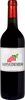
Winery Klein GötzSpätburgunder Trocken
 Red wine
In the mouth this red wine is a with a nice freshness.
This wine generally goes well with poultry, beef or veal.
Taste structure of the Spätburgunder Trocken from the Winery Klein Götz
Light | Bold | |
Smooth | Tannic | |
Dry | Sweet | |
Soft | Acidic |
In the mouth the Spätburgunder Trocken of Winery Klein Götz in the region of Mosel is a with a nice freshness.
Food and wine pairings with Spätburgunder Trocken
Pairings that work perfectly with Spätburgunder Trocken



Original food and wine pairings with Spätburgunder Trocken

The Spätburgunder Trocken of Winery Klein Götz matches generally quite well with dishes of beef, veal or game (deer, venison) such as recipes of beef kidney, traditional veal stew or deer jig.
Details and technical informations about Winery Klein Götz's Spätburgunder Trocken.
Discover the grape variety: Callet
This grape variety is native to the Balearic Islands (Spain), more precisely to the island of Mayorque, and has been cultivated for a very long time. It is said to be the result of a natural cross between the Callet Cas Concos (Negrella) and the Fogoneu, the former being in danger of extinction. Callet is hardly known in other wine-producing countries, but in France it should be interesting for the production of original rosé wines that are pleasant to drink.
Informations about the Winery Klein Götz
The Winery Klein Götz is one of of the world's greatest estates. It offers 28 wines for sale in the of Mosel to come and discover on site or to buy online.

The wine region of Mosel
Mosel is the most famous of Germany's 13 official wine regions, and also the third largest in terms of production. As with many German regions, it is most aasociated with a range of wine styles made from the Riesling grape variety, but Müller-Thurgau is also widely planted. The best Mosel Riesling wines are some of the finest whites in the world. Light and low in Alcohol, they can be intensely fragrant with beguiling Floral">floral and Mineral notes, and a wonderful Balance of sweetness and Acidity.
The word of the wine: Passerillage
Concentration of the grape by drying out, under the influence of wind or sun, as opposed to botrytisation, which is the concentration obtained by the development of the "noble rot" for which Botrytis cinerea is responsible. The word is mainly used for sweet wines.