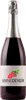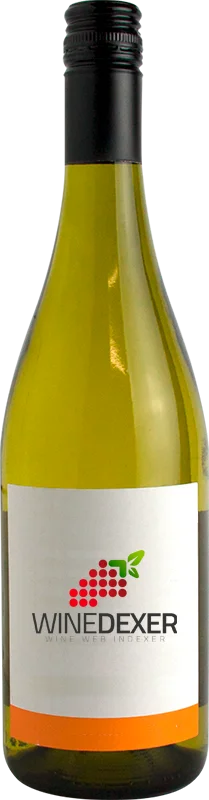
Winery KissingerSpätburgunder Blanc de Noir Trocken
 White wine


This wine generally goes well with vegetarian
Food and wine pairings with Spätburgunder Blanc de Noir Trocken
Pairings that work perfectly with Spätburgunder Blanc de Noir Trocken

Original food and wine pairings with Spätburgunder Blanc de Noir Trocken
The Spätburgunder Blanc de Noir Trocken of Winery Kissinger matches generally quite well with dishes of vegetarian such as recipes of cream and tuna quiche.
Details and technical informations about Winery Kissinger's Spätburgunder Blanc de Noir Trocken.
Discover the grape variety: Admirable
According to genetic analyses carried out in Montpellier (Hérault), it is the result of a cross between the bicane and the chasselas obtained in Saumur (Maine and Loire Valley) by Doctor Auguste Courtiller in the 1840s, registered in the Official Catalogue of table grape varieties, list A1. Today, the Admirable de Courtiller is practically no longer multiplied.
Last vintages of this wine
The best vintages of Spätburgunder Blanc de Noir Trocken from Winery Kissinger are 0
Informations about the Winery Kissinger
The Winery Kissinger is one of of the world's greatest estates. It offers 48 wines for sale in the of Rheinhessen to come and discover on site or to buy online.

The wine region of Rheinhessen
Rheinhessen is Germany's largest region for producing the quality wines of the Qualitätswein bestimmter Anbaugebiete (QbA) and Prädikatswein designations, with roughly 26,500 hectares (65,000 acres) of Vineyard">Vineyards as of 2014. Many of its most significant viticultural areas are favorably influenced by the Rhine river, which runs aLong its North and eastern borders. The Rhine, along with the Nahe river to the west and the Haardt mountains to its South, form a natural border. Rheinhessen covers an area south of Rheingau, north of Pfalz and east of Nahe, and is located within the Rhineland-Palatinate federal state.
The word of the wine: Mou
Said of a wine unbalanced by its lack of acidity.