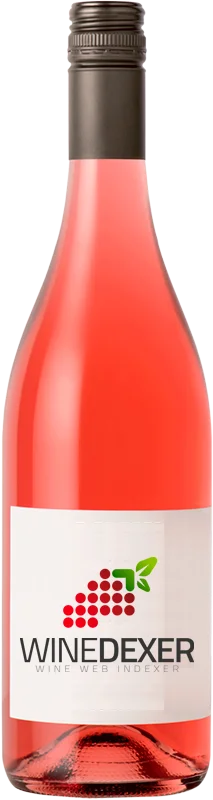
Winery Kasnyik Rodinné VinárstvoClassic Frankovka Modrá Rosé
 Pink wine


This wine generally goes well with pork, rich fish (salmon, tuna etc) or mature and hard cheese.
Food and wine pairings with Classic Frankovka Modrá Rosé
Pairings that work perfectly with Classic Frankovka Modrá Rosé



Original food and wine pairings with Classic Frankovka Modrá Rosé
The Classic Frankovka Modrá Rosé of Winery Kasnyik Rodinné Vinárstvo matches generally quite well with dishes of pork, rich fish (salmon, tuna etc) or mature and hard cheese such as recipes of simmered pork cheeks with cream sauce and dijon mustard, sea bass in mustard and rosemary wrappers or fondue with comté cheese.
Details and technical informations about Winery Kasnyik Rodinné Vinárstvo's Classic Frankovka Modrá Rosé.
Discover the grape variety: Alvina
Intraspecific crossing obtained between Alphonse Lavallée and the white sultana, registered in 1990 in the Official Catalogue of table grape varieties list A1.
Last vintages of this wine
The best vintages of Classic Frankovka Modrá Rosé from Winery Kasnyik Rodinné Vinárstvo are 0
Informations about the Winery Kasnyik Rodinné Vinárstvo
The Winery Kasnyik Rodinné Vinárstvo is one of of the world's great estates. It offers 43 wines for sale in the of Slovakia to come and discover on site or to buy online.

The wine region of Slovakia
Slovakia (officially The Slovak Republic) is a landlocked country described as being either at the eastern edge of Western Europe, or the western edge of Eastern Europe. This dichotomy reflects the state's recent history, a story of political unrest common in this region. The lands that are now Slovakia were an integral Part of Hungary for almost 900 years, but became independent when the Austro-Hungarian Empire was dismantled after the First World War. Almost immediately, Slovakia aligned itself with Bohemia and Moravia (the modern-day Czech Republic), Silesia and Carpathian Ruthenia to form Czechoslovakia.
The word of the wine: Maturing (champagne)
After riddling, the bottles are stored on "point", upside down, with the neck of one bottle in the bottom of the other. The duration of this maturation is very important: in contact with the dead yeasts, the wine takes on subtle aromas and gains in roundness and fatness. A brut without year must remain at least 15 months in the cellar after bottling, a vintage 36 months.