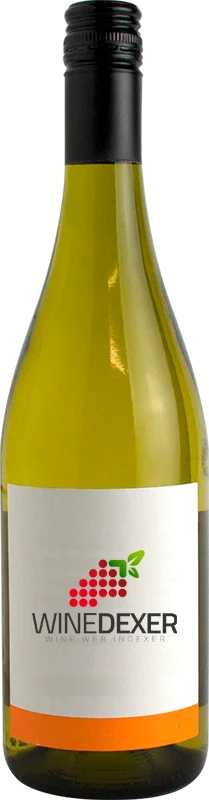
Winery Karpatská PerlaRizling Vlašský
 White wine



This wine generally goes well with
The Rizling Vlašský of the Winery Karpatská Perla is in the top 70 of wines of Malokarpatská.
Details and technical informations about Winery Karpatská Perla's Rizling Vlašský.
Discover the grape variety: Sauvignon
Sauvignon Gris is a grape variety that originated in France (South-West). It produces a variety of grape specially used for wine making. It is rare to find this grape to eat on our tables. This variety of grape is characterized by small bunches and small grapes. Sauvignon Gris can be found in many vineyards: South West, Languedoc & Roussillon, Cognac, Bordeaux, Loire Valley, Burgundy, Jura, Beaujolais, Armagnac, Provence & Corsica, Rhone Valley, Savoie & Bugey.
Last vintages of this wine
The best vintages of Rizling Vlašský from Winery Karpatská Perla are 2015, 0
Informations about the Winery Karpatská Perla
The Winery Karpatská Perla is one of of the world's great estates. It offers 63 wines for sale in the of Malokarpatská to come and discover on site or to buy online.

The wine region of Malokarpatská
The wine region of Malokarpatská of Slovak Republic. Wineries and vineyards like the Domaine Rariga or the Domaine Vladimir Valenta produce mainly wines white, red and pink. The most planted grape varieties in the region of Malokarpatská are Cabernet-Sauvignon, Riesling and Gewurztraminer, they are then used in wines in blends or as a single variety. On the nose of Malokarpatská often reveals types of flavors of tree fruit, apples or citrus fruit and sometimes also flavors of non oak, earth or microbio.
The word of the wine: Ovoids (tanks)
Egg-shaped vats used for wine making and maturing that favour the natural suspension of the lees thanks to the vortex movements, which give the wine more fat and fruity aromas.