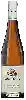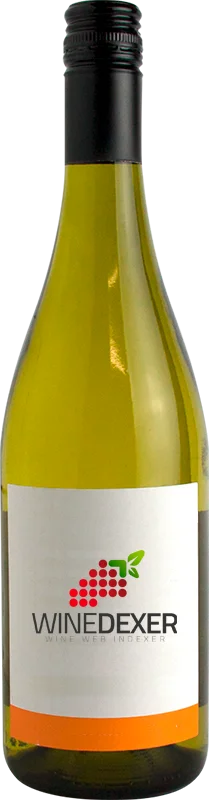
Winery JohannesGrauburgunder Trocken
 White wine


In the mouth this white wine is a .
This wine generally goes well with pork, cured meat or mushrooms.

Taste structure of the Grauburgunder Trocken from the Winery Johannes
Light | Bold | |
Dry | Sweet | |
Soft | Acidic |
In the mouth the Grauburgunder Trocken of Winery Johannes in the region of Pfalz is a .
Food and wine pairings with Grauburgunder Trocken
Pairings that work perfectly with Grauburgunder Trocken


Original food and wine pairings with Grauburgunder Trocken

The Grauburgunder Trocken of Winery Johannes matches generally quite well with dishes of pork, spicy food or mushrooms such as recipes of wild boar bourguignon, chicken tagine with lemon confit (marrakech style) or grandma's chicken casserole.
Details and technical informations about Winery Johannes's Grauburgunder Trocken.
Discover the grape variety: Danuta
Simple, fresh dry whites with a pale golden colour, supple palate with moderate acidity, undemonstrative aromas of citrus and white flowers. Productive. Grown in small quantities in central Europe for sustainably managed vineyards and hobby growers, mainly used for fresh consumption and organic viticulture. White hybrid variety bred through complex crossing for disease resistance.
Last vintages of this wine
The best vintages of Grauburgunder Trocken from Winery Johannes are 2019, 0
Informations about the Winery Johannes
The Winery Johannes is one of of the world's greatest estates. It offers 15 wines for sale in the of Pfalz to come and discover on site or to buy online.

The wine region of Pfalz
Fleshy, dry, fruity Riesling is the region's signature: yellow peach, apricot, ripe citrus, lovely mineral tension. Germany's largest red-wine area (40%), with silky Spätburgunder showing red fruit and spice, darker structured Dornfelder, supple Portugieser. Some rounded Pinot Blanc and Pinot Gris. A 23,640 ha vineyard along the Haardt, among Germany's warmest (>2,000 h of sun).
The word of the wine: Terroir
Strictly speaking, the notion of terroir corresponds to the geological characteristics of a vineyard. However, when we talk about terroir, we take into account the soil, the climate (even the microclimate), the flora, the fauna, and the human factor that characterizes the practices that make up the art of the craft.