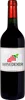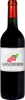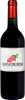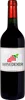
Winery Jean Jacques Castell & CieDorlan Fleurie
 Red wine
This wine generally goes well with pork, poultry or veal.

Food and wine pairings with Dorlan Fleurie
Pairings that work perfectly with Dorlan Fleurie



Original food and wine pairings with Dorlan Fleurie

The Dorlan Fleurie of Winery Jean Jacques Castell & Cie matches generally quite well with dishes of pasta, veal or pork such as recipes of pasta with vongoles (flat clams), tanjia or alsatian sauerkraut.
Details and technical informations about Winery Jean Jacques Castell & Cie's Dorlan Fleurie.
Discover the grape variety: Pinot noir
Elegant reds, light in colour with silky tannins, showing strawberry, cherry and raspberry aromas, evolving to forest floor, mushroom and spice with age. Fresh acidity, delicate finish. Star of the Côte d'Or (Romanée-Conti, Chambertin, Volnay), pillar of Champagne (Blanc de Noirs) and signature of Oregon, Central Otago and Sonoma Coast. An early-ripening Burgundian variety, one of the world's greatest.
Informations about the Winery Jean Jacques Castell & Cie
The Winery Jean Jacques Castell & Cie is one of of the world's great estates. It offers 20 wines for sale in the of Fleurie to come and discover on site or to buy online.

The wine region of Fleurie
Beaujolais cru nicknamed the Queen, on the single commune of Fleurie. Signature Gamay noir: floral, perfumed reds with signature notes of violet, iris, strawberry, raspberry, peony and a peppery touch, silky tannins and an airy palate - the most delicate elegance of the crus. 13 recognised climats including Poncié, La Roilette, La Chapelle des Bois. Granitic soils with sandy gruss and manganese signing the finesse.
The wine region of Beaujolais
Kingdom of Gamay (98% of the vineyard): fruity, accessible reds with signature notes of cherry, raspberry, banana (carbonic maceration), violet and sweet spices, supple tannins and juicy acidity. From festive Beaujolais Nouveau (3rd Thursday of November) to the 10 more structured, age-worthy Crus: deep earthy Morgon, sturdy Moulin-à-Vent, floral Fleurie, crunchy Brouilly. Some lively Chardonnay. 12,000 ha south of Burgundy, granitic soils.
The word of the wine: White winemaking
White wines are obtained by fermentation of the juice after pressing. A pre-fermentation maceration is sometimes practiced to extract the aromatic substances from the skins. White wines are normally made from white grapes, but can also be made from red grapes (blanc de noirs). The grapes are then pressed as soon as they arrive at the vat house without maceration in order to prevent the colouring matter contained in the skins from "staining" the wine.