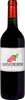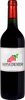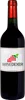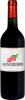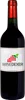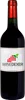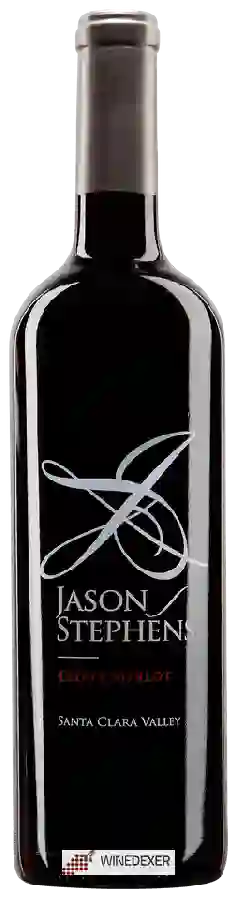
Winery Jason StephensEstate Merlot
 Red wine



This wine is composed of 100% of the grape variety Merlot.
In the mouth this red wine is a powerful.
This wine generally goes well with beef, veal or lamb.

Taste structure of the Estate Merlot from the Winery Jason Stephens
Light | Bold | |
Smooth | Tannic | |
Dry | Sweet | |
Soft | Acidic |
In the mouth the Estate Merlot of Winery Jason Stephens in the region of California is a powerful.
Wine flavors and olphactive analysis





On the nose the Estate Merlot of Winery Jason Stephens in the region of California often reveals types of flavors of non oak, earth or microbio and sometimes also flavors of oak, spices or red fruit.
Food and wine pairings with Estate Merlot
Pairings that work perfectly with Estate Merlot



Original food and wine pairings with Estate Merlot
The Estate Merlot of Winery Jason Stephens matches generally quite well with dishes of beef, lamb or veal such as recipes of pork shoulder with mustard, couscous merguez or veal meatballs with curry.
Details and technical informations about Winery Jason Stephens's Estate Merlot.
Discover the grape variety: Merlot
Round and fleshy reds with a velvety texture, showing aromas of ripe plum, black cherry, cocoa and truffle notes with age. Supple tannins, generous alcohol, indulgent finish. Pillar of Libournais (Pomerol with Pétrus, Saint-Émilion with Cheval Blanc and Ausone) and signature of Super Tuscans, Italian Wales and Washington State. A cross of Cabernet Franc × Magdeleine Noire, France's most planted red variety.
Last vintages of this wine
The best vintages of Estate Merlot from Winery Jason Stephens are 2007, 2012, 2009, 2014 and 2008.
Informations about the Winery Jason Stephens
The Winery Jason Stephens is one of of the world's greatest estates. It offers 27 wines for sale in the of Santa Clara Valley to come and discover on site or to buy online.

The wine region of Santa Clara Valley
Historic Bay Area AVA south of San Francisco (23 grape varieties): signature Cabernet Sauvignon dominant as red king on warm hillsides — structured concentrated reds with ripe dark fruits, firm tannins. Heritage Zinfandel and Petite Sirah, spicy and fleshy. Also Merlot, Pinot Noir, Syrah and Chardonnay. Revival around Italian grapes (Sangiovese, Barbera, Nebbiolo).
The wine region of California
Powerful, sunny reds: dense Napa Cabernet Sauvignon (blackcurrant, chocolate, tobacco, ample tannins), spicy, jammy Zinfandel from the Sierra Foothills, silky red-fruited Pinot Noir on the cool coast (Sonoma, Russian River, Central Coast). Opulent, buttery Chardonnay, notes of yellow fruit and vanilla. Varied climate, from the hot interior to the Pacific-cooled coast. 80% of US production, 139 AVAs including Napa (1st AVA, 1981).
The word of the wine: Maturing (champagne)
After riddling, the bottles are stored on "point", upside down, with the neck of one bottle in the bottom of the other. The duration of this maturation is very important: in contact with the dead yeasts, the wine takes on subtle aromas and gains in roundness and fatness. A brut without year must remain at least 15 months in the cellar after bottling, a vintage 36 months.