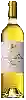
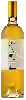
Winery J. LebegueSauternes
 Sweet wine
This wine generally goes well with fruity desserts and blue cheese.

Food and wine pairings with Sauternes
Pairings that work perfectly with Sauternes

Original food and wine pairings with Sauternes
The Sauternes of Winery J. Lebegue matches generally quite well with dishes of fruity desserts or blue cheese such as recipes of express cherry clafoutis or potato soufflé with auvergne blue cheese.
Details and technical informations about Winery J. Lebegue's Sauternes.
Discover the grape variety: Sercial
Vivid and nervy fortified whites with an amber-golden robe, taut mouthfeel and sharp acidity, with signature aromas of candied citrus, lemon, almond, green walnut, orange peel, honey and evolved oxidative notes with a characteristic bitter finish. Exceptional ageing potential (centuries). Star of the dry Madeira style, the most nervy of the four Madeira DOP styles. An autochthonous Portuguese variety of Madeira, signature of dry Madeiras.
Informations about the Winery J. Lebegue
The Winery J. Lebegue is one of wineries to follow in Sauternes.. It offers 84 wines for sale in the of Sauternes to come and discover on site or to buy online.

The wine region of Sauternes
Iconic Bordeaux AOC for noble sweet wines, left bank of the Garonne. Golden whites with signature notes of honey, candied apricot, exotic fruit, orange peel, saffron and a finish tightened by chiselled acidity, opulent yet nervy palate — a great age-worthy wine of emotion. Botrytised Semillon dominates (Ciron 'noble rot') concentrating sugars, Sauvignon Blanc adds vivacity, Muscadelle perfume. ~1,416 ha across 5 villages.
The wine region of Bordeaux
World-renowned age-worthy reds, led by round Merlot (plum, black fruit) or firm Cabernet Sauvignon (blackcurrant, cedar, graphite), blended with Cabernet Franc and Petit Verdot for tannic structure. Structured Médoc and Graves, velvety Saint-Émilion and Pomerol. Also crisp dry whites (Sauvignon/Sémillon) and opulent sweet Sauternes with honey and candied fruit. A 110,000 ha Gironde vineyard, 65 appellations, cradle of the 1855 classified growths.
The word of the wine: Budding
Phase of the vegetative cycle of the vine corresponding to the bursting of the buds and the appearance of the first leaves.