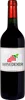
Winery PiccininiPinot Nero Rosé
 Pink wine



This wine generally goes well with pork, poultry or beef.
Food and wine pairings with Pinot Nero Rosé
Pairings that work perfectly with Pinot Nero Rosé



Original food and wine pairings with Pinot Nero Rosé


The Pinot Nero Rosé of Winery Piccinini matches generally quite well with dishes of beef, lamb or pork such as recipes of millet with gruyere cheese, lamb tagine with onions, purple olives and lemons... or veal cutlets with savoy tomme.
Details and technical informations about Winery Piccinini's Pinot Nero Rosé.
Discover the grape variety: Manto negro
This grape variety is native to the Balearic Islands (Spain), more precisely to the island of Mayorque, and has been cultivated for a very long time. D.N.A. analyses have shown that it is the result of a natural cross between the sabaté and the callet cas concos (negrella), the latter being in danger of extinction. Manto negro is hardly known in other wine-producing countries, but in France it should be interesting for the production of original rosé wines that are pleasant to drink.
Last vintages of this wine
The best vintages of Pinot Nero Rosé from Winery Piccinini are 0
Informations about the Winery Piccinini
The Winery Piccinini is one of of the world's greatest estates. It offers 7 wines for sale in the of Lombardia to come and discover on site or to buy online.

The wine region of Lombardia
Lombardy is one of Italy's largest and most populous regions, located in the north-central Part of the country. It's home to a handful of popular and well-known wine styles, including the Bright, cherry-scented Valtellina and the high-quality Sparkling wines Franciacorta and Oltrepo Pavese Metodo Classico. Lombardy is Italy's industrial powerhouse, with the country's second largest city (Milan) as its regional capital. Despite this, the region has vast tracts of unspoiled countryside, home to many small wineries that produce a significant portion of the region's annual wine production of 1.
The word of the wine: Oxidative (breeding)
A method of ageing which aims to give the wine certain aromas of evolution (dried fruit, bitter orange, coffee, rancio, etc.) by exposing it to the air; it is then matured either in barrels, demi-muids or unoaked casks, sometimes stored in the open air, or in barrels exposed to the sun and to temperature variations. This type of maturation characterizes certain natural sweet wines, ports and other liqueur wines.