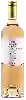
Winery Fattoria SardiVilla Sardi Colline Lucchesi Biologico
 White wine



This wine generally goes well with

Details and technical informations about Winery Fattoria Sardi's Villa Sardi Colline Lucchesi Biologico.
Discover the grape variety: Petit Manseng
Exceptional sweet wines obtained by on-vine drying, with an unctuous mouth balanced by cutting acidity, featuring intense aromas of candied pineapple, mango, candied citrus, dried apricot, honey, dried fruits and sweet spice notes. Very high ageing potential. Star of Jurançon moelleux AOC and Pacherenc du Vic-Bilh AOC, also made as ambitious dry wines. Very late-ripening native grape of Béarn (South-West France).
Last vintages of this wine
The best vintages of Villa Sardi Colline Lucchesi Biologico from Winery Fattoria Sardi are 2016, 0, 2015
Informations about the Winery Fattoria Sardi
The Winery Fattoria Sardi is one of of the world's greatest estates. It offers 23 wines for sale in the of Colline Lucchesi to come and discover on site or to buy online.

The wine region of Colline Lucchesi
Tuscan DOC (1968) on hills north and east of Lucca, between the Apennines and Tyrrhenian Sea, temperate climate with cool nights and long growing season. Sangiovese the signature red (45-80% of Rosso): refined and fruity with cherry, raspberry, violet, herbs and spice, firm tannins and lively acidity — blended with Canaiolo, Ciliegiolo, Merlot and Syrah. Vermentino white, taut with citrus notes. Trebbiano, Malvasia and Chardonnay.
The wine region of Tuscany
Kingdom of Sangiovese: upright reds with cherry, plum, dried herbs and leather, lively acidity and firm tannins. Fleshy, food-friendly Chianti Classico DOCG, deep long-ageing Brunello di Montalcino (spice, tobacco, ripe black fruit), elegant Vino Nobile di Montepulciano. On the coast, Bolgheri crafts the opulent Cabernet- and Merlot-based 'Super Tuscans'. Some fresh white Vernaccia.
The word of the wine: Maturing (champagne)
After riddling, the bottles are stored on "point", upside down, with the neck of one bottle in the bottom of the other. The duration of this maturation is very important: in contact with the dead yeasts, the wine takes on subtle aromas and gains in roundness and fatness. A brut without year must remain at least 15 months in the cellar after bottling, a vintage 36 months.