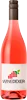
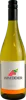
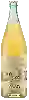
Winery CasteltorreTrebbiano Puglia
 White wine


In the mouth this white wine is a powerful.
This wine generally goes well with vegetarian, appetizers and snacks or shellfish.

Taste structure of the Trebbiano Puglia from the Winery Casteltorre
Light | Bold | |
Dry | Sweet | |
Soft | Acidic |
In the mouth the Trebbiano Puglia of Winery Casteltorre in the region of Puglia is a powerful.
Food and wine pairings with Trebbiano Puglia
Pairings that work perfectly with Trebbiano Puglia



Original food and wine pairings with Trebbiano Puglia
The Trebbiano Puglia of Winery Casteltorre matches generally quite well with dishes of shellfish, vegetarian or appetizers and snacks such as recipes of wok of pointed cabbage with shrimps and lemongrass bo bun style, tuna, pepper and tomato quiche or baked potato churros.
Details and technical informations about Winery Casteltorre's Trebbiano Puglia.
Discover the grape variety: Kerner
Aromatic, structured whites with lively acidity and a slender mouth, featuring muscat-like aromas of white peach, apricot, white flowers, citrus and Riesling-like notes. Made as nervy dry wines (Trocken), off-dry (Kabinett, Spätlese) and mineral high-altitude cuvées. Grown in Germany (Rheinhessen, Palatinate, Württemberg), northern Italy (Alto Adige in the high Val Venosta valleys) and Japan. A Trollinger × Riesling cross created in 1929 in Weinsberg.
Last vintages of this wine
The best vintages of Trebbiano Puglia from Winery Casteltorre are 2012, 0
Informations about the Winery Casteltorre
The Winery Casteltorre is one of of the world's great estates. It offers 28 wines for sale in the of Puglia to come and discover on site or to buy online.

The wine region of Puglia
Heel of the boot, 80% red vineyard, sunny and generous. Fleshy, jammy Primitivo (= Zinfandel) with notes of black cherry, plum, chocolate and spices, powerful alcohol and melted tannins, a star in Primitivo di Manduria. Deep, structured Negroamaro (black-bitter) with a bitter finish in Salice Salentino. Structured Nero di Troia, spicy Susumaniello.
The word of the wine: Premier cru
In Burgundy, third level of classification (above the regional and communal appellations), designating the wines produced on delimited parcels (climats) whose name is added to the communal appellation. The climats classified as first growths are 635.