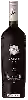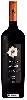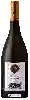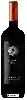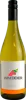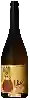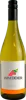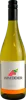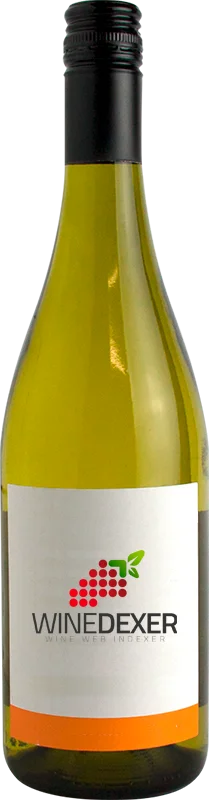
Winery Isla NegraSeashore Sauvignon Blanc - Pedro Ximenez
 White wine


In the mouth this white wine is a with a nice freshness.
This wine generally goes well with vegetarian, shellfish or goat cheese.
Taste structure of the Seashore Sauvignon Blanc - Pedro Ximenez from the Winery Isla Negra
Light | Bold | |
Dry | Sweet | |
Soft | Acidic |
In the mouth the Seashore Sauvignon Blanc - Pedro Ximenez of Winery Isla Negra in the region of Central Valley is a with a nice freshness.
Wine flavors and olphactive analysis

On the nose the Seashore Sauvignon Blanc - Pedro Ximenez of Winery Isla Negra in the region of Central Valley often reveals types of flavors of vegetal, tree fruit or citrus fruit.
Food and wine pairings with Seashore Sauvignon Blanc - Pedro Ximenez
Pairings that work perfectly with Seashore Sauvignon Blanc - Pedro Ximenez



Original food and wine pairings with Seashore Sauvignon Blanc - Pedro Ximenez
The Seashore Sauvignon Blanc - Pedro Ximenez of Winery Isla Negra matches generally quite well with dishes of shellfish, vegetarian or goat cheese such as recipes of shrimp curry and coconut (thailand), broccoli and blue cheese quiche without pastry or aurora pie.
Details and technical informations about Winery Isla Negra's Seashore Sauvignon Blanc - Pedro Ximenez.
Discover the grape variety: Bacchus
Last vintages of this wine

The best vintages of Seashore Sauvignon Blanc - Pedro Ximenez from Winery Isla Negra are 2016, 2015, 2018, 0 and 2017.
Informations about the Winery Isla Negra
The Winery Isla Negra is one of of the world's great estates. It offers 41 wines for sale in the of Central Valley to come and discover on site or to buy online.

The wine region of Central Valley
Heart of modern Chilean wine: structured, sunny reds, dense, blackcurranty Cabernet Sauvignon from Maipo (Chilean cradle of the grape), signature Carménère with notes of ripe pepper, black fruit and sweet spices from Colchagua, supple Merlot and deep Syrah. Round Chardonnay whites and lively, sharp Sauvignon. Mediterranean climate, 400 km between Andes and Pacific. Star sub-regions: Maipo, Cachapoal, Colchagua, Curicó, Maule.
The word of the wine: Vinosity
When tasting a red wine, a pleasant sensation on the palate with a fruity and sappy character in harmony with a caressing and persistent presence of tannins.