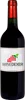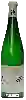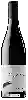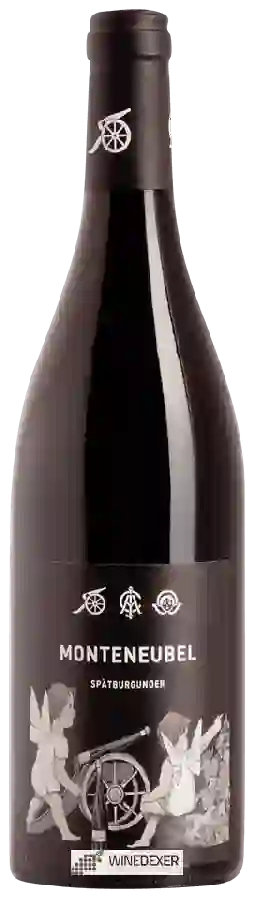
Winery Immich-BatteriebergMonteneubel Spätburgunder
 Red wine



In the mouth this red wine is a with a nice freshness.
This wine generally goes well with poultry, beef or veal.

Taste structure of the Monteneubel Spätburgunder from the Winery Immich-Batterieberg
Light | Bold | |
Smooth | Tannic | |
Dry | Sweet | |
Soft | Acidic |
In the mouth the Monteneubel Spätburgunder of Winery Immich-Batterieberg in the region of Mosel is a with a nice freshness.
Wine flavors and olphactive analysis



On the nose the Monteneubel Spätburgunder of Winery Immich-Batterieberg in the region of Mosel often reveals types of flavors of non oak, earth or oak and sometimes also flavors of spices, red fruit or black fruit.
Food and wine pairings with Monteneubel Spätburgunder
Pairings that work perfectly with Monteneubel Spätburgunder



Original food and wine pairings with Monteneubel Spätburgunder

The Monteneubel Spätburgunder of Winery Immich-Batterieberg matches generally quite well with dishes of beef, veal or game (deer, venison) such as recipes of cataplana with seafood, meatballs catalan style or rabbit with prunes in my grandmother's style.
Details and technical informations about Winery Immich-Batterieberg's Monteneubel Spätburgunder.
Discover the grape variety: Cabernet-Mitos
Intensely coloured, structured reds with an almost black ink-dark robe, firm tannins and a dense palate, showing aromas of black fruits (blackberry, blackcurrant), plum, spices, violet and balsamic notes. Teinturier variety (coloured flesh) used primarily in blends to reinforce colour and structure of German reds: Württemberg, Palatinate (Pfalz) and Baden. German hybrid created in 1970 at Weinsberg (blaufränkisch × teinturier-Bouschet).
Last vintages of this wine
The best vintages of Monteneubel Spätburgunder from Winery Immich-Batterieberg are 2011, 0, 2013
Informations about the Winery Immich-Batterieberg
The Winery Immich-Batterieberg is one of of the world's great estates. It offers 29 wines for sale in the of Mosel to come and discover on site or to buy online.

The wine region of Mosel
Kingdom of lively, crystalline Riesling: citrus, green apple, gunflint, tangy tension and signature slate minerality. From light, fruity Kabinett to off-dry Spätlese, up to sweet Auslese and Trockenbeerenauslese of rare finesse. Some supple Müller-Thurgau and lively Elbling. Steeply sloped vineyards (up to 65% at the Bremmer Calmont) on blue and grey slate, 5,400 ha of Riesling (61.
The word of the wine: Tanin
A natural compound contained in the skin of the grape, the seed or the woody part of the bunch, the stalk. The maceration of red wines allows the extraction of tannins, which give the texture, the solidity and also the mellowness when the tannins are "ripe". The winemaker seeks above all to extract the tannins from the skin, the ripest and most noble. The tannins of the seed or stalk, which are "greener", especially in average years, give the wine hardness and astringency. The wines of Bordeaux (based on Cabernet and Merlot) are full of tannins, those of Burgundy much less so, with Pinot Noir containing little.