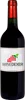
Winery Il PoggioLacrimablu
 Red wine



In the mouth this red wine is a powerful with a lot of tannins present in the mouth.
This wine generally goes well with poultry, beef or veal.

Taste structure of the Lacrimablu from the Winery Il Poggio
Light | Bold | |
Smooth | Tannic | |
Dry | Sweet | |
Soft | Acidic |
In the mouth the Lacrimablu of Winery Il Poggio in the region of Umbria is a powerful with a lot of tannins present in the mouth.
Food and wine pairings with Lacrimablu
Pairings that work perfectly with Lacrimablu



Original food and wine pairings with Lacrimablu

The Lacrimablu of Winery Il Poggio matches generally quite well with dishes of beef, pasta or veal such as recipes of autumn leaves, chicken lasagna or paupiettes à la mérignicaise.
Details and technical informations about Winery Il Poggio's Lacrimablu.
Discover the grape variety: Pinot noir
Elegant reds, light in colour with silky tannins, showing strawberry, cherry and raspberry aromas, evolving to forest floor, mushroom and spice with age. Fresh acidity, delicate finish. Star of the Côte d'Or (Romanée-Conti, Chambertin, Volnay), pillar of Champagne (Blanc de Noirs) and signature of Oregon, Central Otago and Sonoma Coast. An early-ripening Burgundian variety, one of the world's greatest.
Last vintages of this wine
The best vintages of Lacrimablu from Winery Il Poggio are 0
Informations about the Winery Il Poggio
The Winery Il Poggio is one of of the world's greatest estates. It offers 11 wines for sale in the of Umbria to come and discover on site or to buy online.

The wine region of Umbria
"Green heart" of Italy, cradle of Sagrantino: exceptional tannic red in Sagrantino di Montefalco DOCG, dense and concentrated with notes of blackberry, candied plum, liquorice, spice and leather, powerful tannins and long ageing. Suppler Sangiovese in blends, Cabernet and Merlot in Torgiano DOCG. Orvieto whites based on Grechetto and Trebbiano, full and almondy, from dry to sweet Muffato. ~13,000 ha between Tuscany and Lazio.
The word of the wine: Serious
A Bordeaux term for small pebbles from the Pyrenees, eroded, rounded and transported by the Garonne to Aquitaine. They are mainly found on the left bank in the area.... known as the Graves, and further downstream in the Médoc. By extension, gravel is found in other regions, brought by other rivers or even glaciers.