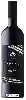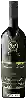
Winery Il CasottoSicilia Igt Syrah
 Red wine



In the mouth this red wine is a powerful.
This wine generally goes well with beef, lamb or pasta.

Taste structure of the Sicilia Igt Syrah from the Winery Il Casotto
Light | Bold | |
Smooth | Tannic | |
Dry | Sweet | |
Soft | Acidic |
In the mouth the Sicilia Igt Syrah of Winery Il Casotto in the region of Sicily is a powerful.
Food and wine pairings with Sicilia Igt Syrah
Pairings that work perfectly with Sicilia Igt Syrah



Original food and wine pairings with Sicilia Igt Syrah
The Sicilia Igt Syrah of Winery Il Casotto matches generally quite well with dishes of beef, pasta or lamb such as recipes of monkfish (anglerfish) à la sétoise, pasta alla norma or mouse of lamb with thyme.
Details and technical informations about Winery Il Casotto's Sicilia Igt Syrah.
Discover the grape variety: Chenanson
Supple, fruity reds with intense ruby colour, soft tannins and a generous palate, showing aromas of red fruits (raspberry, cherry), plum, soft spices and Mediterranean notes. Approachable style to drink young. Grown in Languedoc-Roussillon and the south-east for Pays-d'Oc IGP and modern southern blends. French variety created in 1958 in Montpellier by Paul Truel (Grenache × Jurançon noir).
Last vintages of this wine
The best vintages of Sicilia Igt Syrah from Winery Il Casotto are 0
Informations about the Winery Il Casotto
The Winery Il Casotto is one of of the world's greatest estates. It offers 2 wines for sale in the of Sicily to come and discover on site or to buy online.

The wine region of Sicily
Major qualitative renewal. Sunny, expressive reds: fleshy, spicy Nero d'Avola (black cherry, blackberry, liquorice), fine, mineral Nerello Mascalese on Etna (recalls Pinot Noir), light, crisp Frappato in Cerasuolo di Vittoria DOCG. Lively, saline whites: Catarratto, fat, iodised Grillo, taut Carricante, floral Inzolia. Amber, walnutty fortified Marsala.
The word of the wine: Extraction
All the methods (pumping over, punching down) that allow the colour and tannins to be extracted from the grape skin during maceration, before fermentation begins. It is also possible to macerate after fermentation, but gently, so as not to extract the tannins from the seeds, which are greener. Because of its solvent power, alcohol favours extraction.